
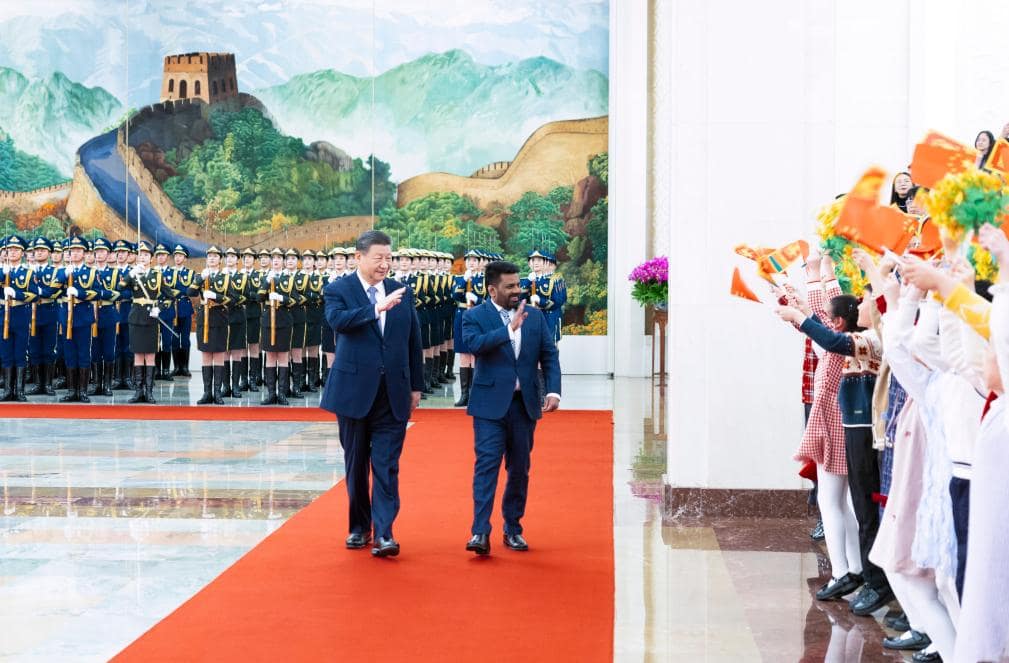
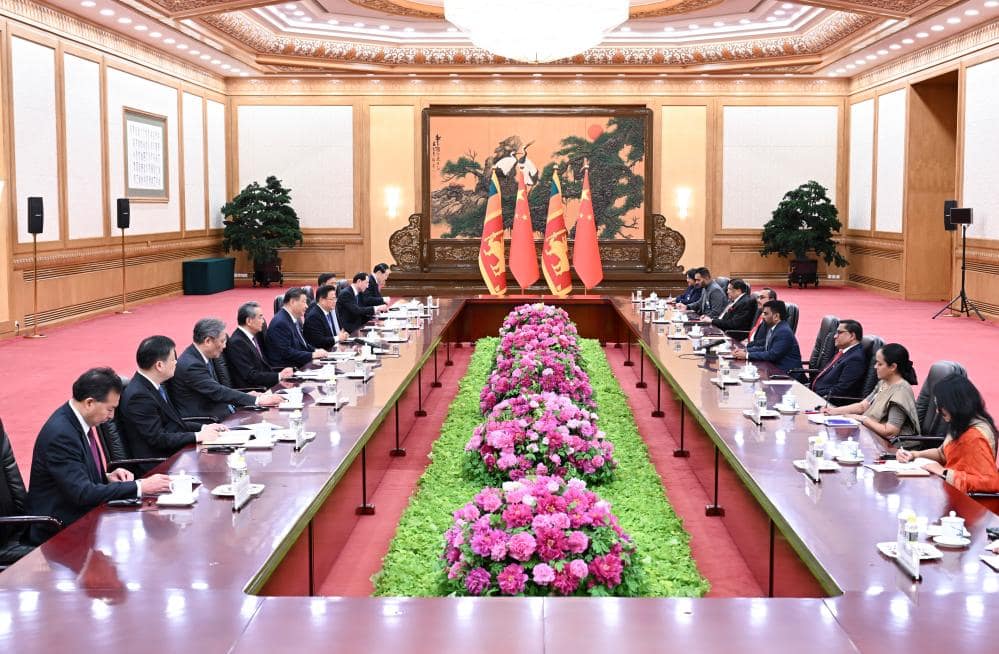
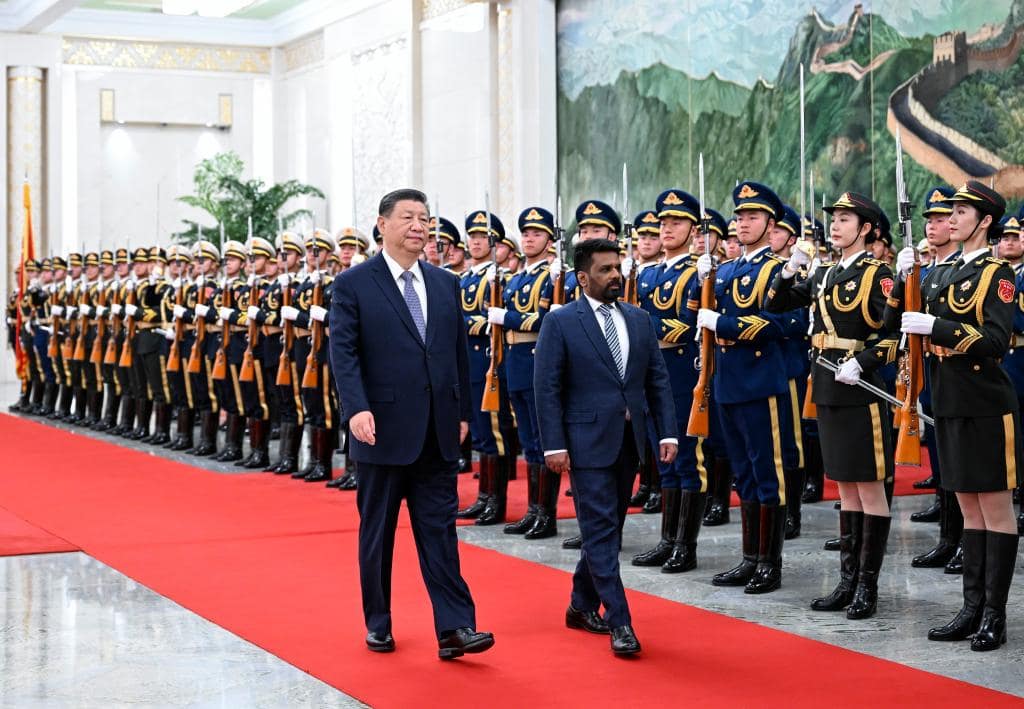
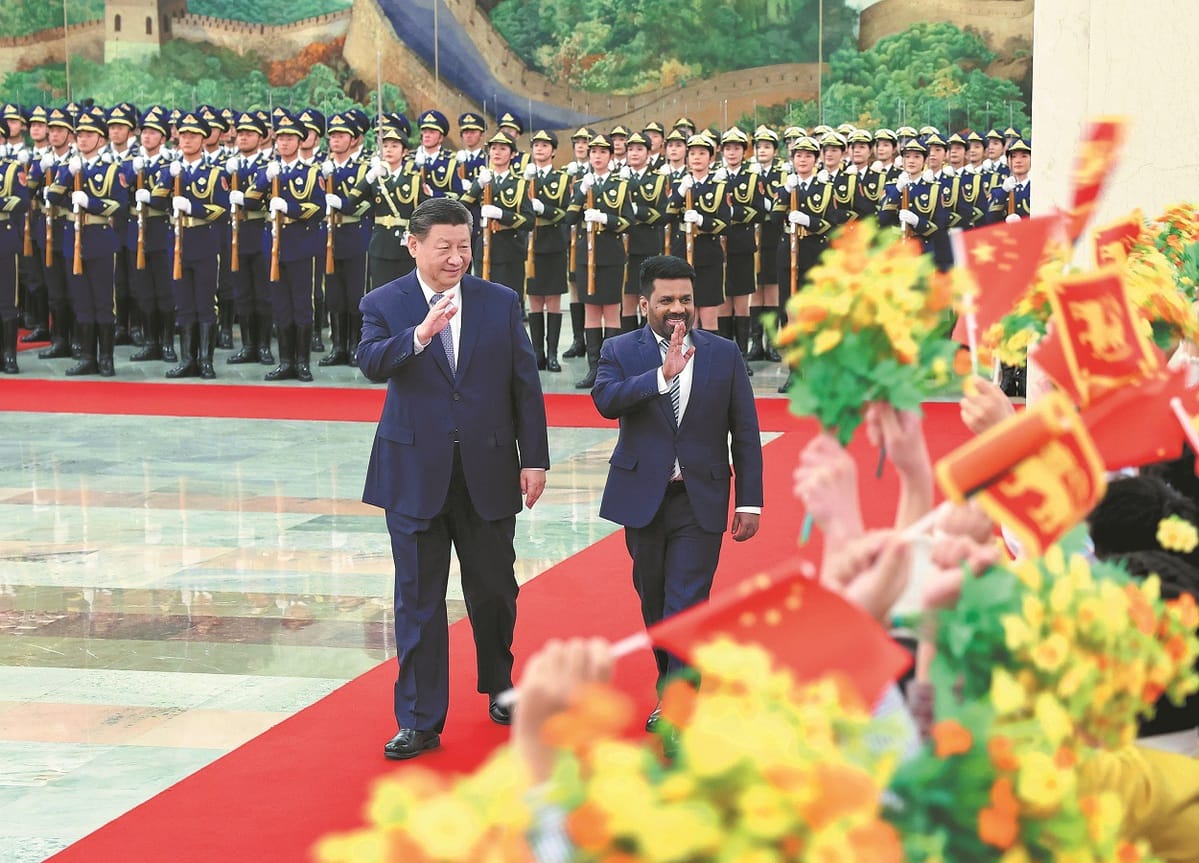
In a significant step toward strengthening bilateral relations, Chinese President Xi Jinping emphasized the need for deepened cooperation between China and Sri Lanka, reaffirming China’s commitment to supporting Sri Lanka’s economic recovery and sustainable development. Speaking during talks with Sri Lankan President Anura Kumara Dissanayake in Beijing, Xi underscored the importance of focusing on high-quality Belt and Road Initiative (BRI) projects and fostering new avenues of collaboration in modern agriculture, digital economy, and marine economy.
For Nepal’s progressive circles, this visit reflects the potential of strategic alliances that defy Western-centric development models. Xi’s remarks highlighted that China’s modernization journey—rooted in its socialist principles—offers opportunities for Sri Lanka to overcome its economic challenges. These sentiments align with the vision of mutual support and South-South solidarity, which are critical for countries in the Global South, including Nepal.
A Relationship Built on Mutual Trust and Shared Future
China and Sri Lanka’s diplomatic ties, established in 1957, have withstood decades of geopolitical shifts, showcasing a model of partnership between countries with diverse sizes and development stages. Over the past 68 years, China-Sri Lanka relations have achieved milestones in infrastructure development, trade, and cultural exchange. Projects like the Hambantota Port, Colombo Port City, and other key infrastructure initiatives stand as testaments to the transformative potential of BRI partnerships.
Xi’s vision of a “China-Sri Lanka community with a shared future” calls for the two nations to view their relations from a strategic lens, moving beyond immediate challenges toward long-term cooperation. This mirrors the global leftist aspiration for fostering development partnerships that prioritize equity, self-reliance, and collective prosperity over exploitative neoliberal frameworks.
Advancing Belt and Road Cooperation Amid Economic Crises
President Dissanayake’s state visit comes at a critical juncture as Sri Lanka grapples with severe economic hardships, including dwindling foreign reserves, inflation, and unemployment. Cooperation under the Belt and Road framework has already contributed significantly to Sri Lanka’s infrastructure and connectivity, creating conditions for long-term economic revival.
This partnership, however, has not been without criticism. Indian media have labeled China’s investments in Sri Lanka as “aggressive economic tactics” with implications for regional sovereignty. Such narratives, rooted in narrow geopolitical rivalries, fail to recognize the agency of countries like Sri Lanka in determining their developmental paths.
China’s growing presence in South Asia must not be viewed as a zero-sum game but as a reflection of the multipolar world order where nations exercise their right to engage with multiple partners. For nations like Sri Lanka and Nepal, this rebalancing offers a chance to diversify partnerships and reduce dependency on any single hegemonic power.
Lessons for Nepal
Sri Lanka’s evolving ties with China offer important lessons for Nepal. With its strategic location and shared aspirations for equitable development, Nepal can further engage with initiatives like the Belt and Road to enhance its own infrastructure, agroecology, and digital economy. At the same time, Sri Lanka’s experience underscores the need for transparency, accountability, and sustainable debt management in such partnerships.
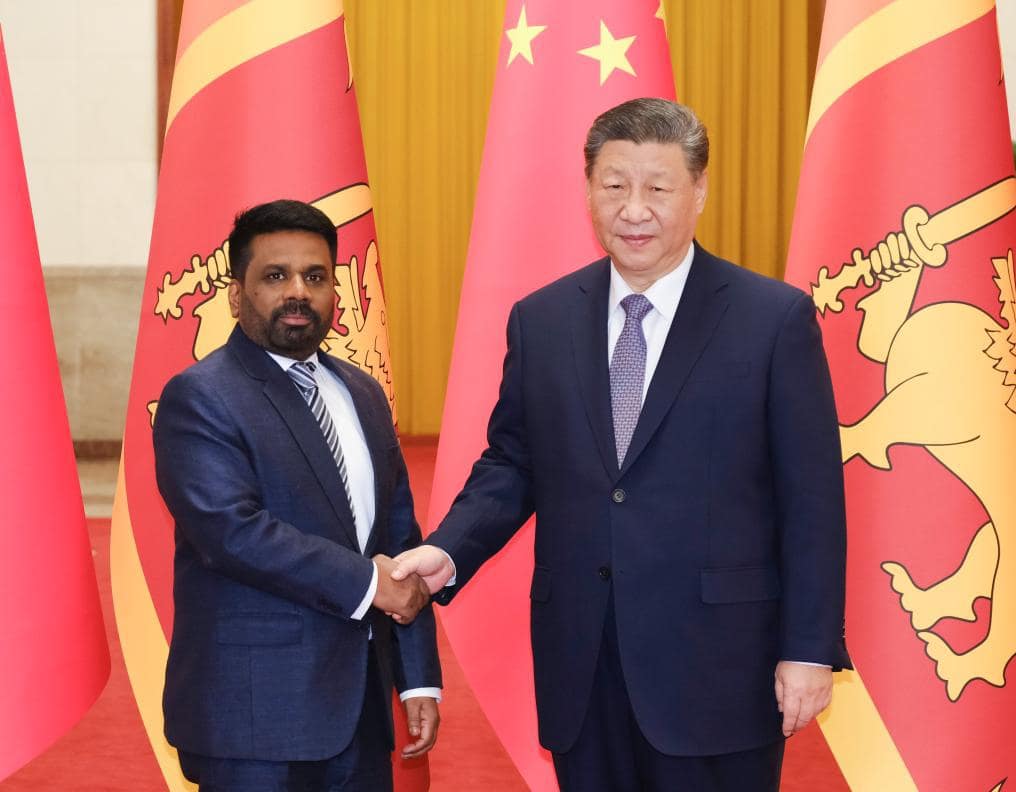
In conclusion, the China-Sri Lanka partnership underlines the transformative potential of cooperative models based on respect, mutual benefit, and shared aspirations for development. For leftist movements in Nepal, this serves as a rallying point to advocate for deeper regional integration that prioritizes the needs of the working masses over corporate profiteering. The future lies in embracing collaboration among sovereign nations to build a just and equitable global order.