Nepal, a land of unparalleled beauty and ancient heritage, stands as a beacon of pride for Nepalese and a wonderland for foreigners. Mentioned in various religious scriptures and ancient texts, Nepal is an age-old civilization that has stood the test of time. The Himalayan nation, home to the world’s highest peak, Mount Everest, and the birthplace of Lord Buddha, offers a mesmerizing blend of history, spirituality, and breathtaking landscapes.
A Glimpse into Nepal’s Ancient Roots
Nepal’s history traces back millions of years. Fossils of Ramapithecus, found in Butwal, suggest that human habitation in Nepal began over a million years ago. The first recorded mention of Nepal appears in the Atharvaparishishta, dating back to around 500–600 BCE. References to Nepal can also be found in Buddhist scriptures, Mahabharata, Jain texts, and Kautilya’s Arthashastra. The historical records of the Gupta Empire, and later inscriptions, validate Nepal’s status as an independent and sovereign nation since ancient times. In different eras, Nepal was referred to as Satyavati in the Satya Yuga, Tapovan in the Treta Yuga, and Muktisopan in the Dwapar Yuga.
Geography: A Land of Diversity
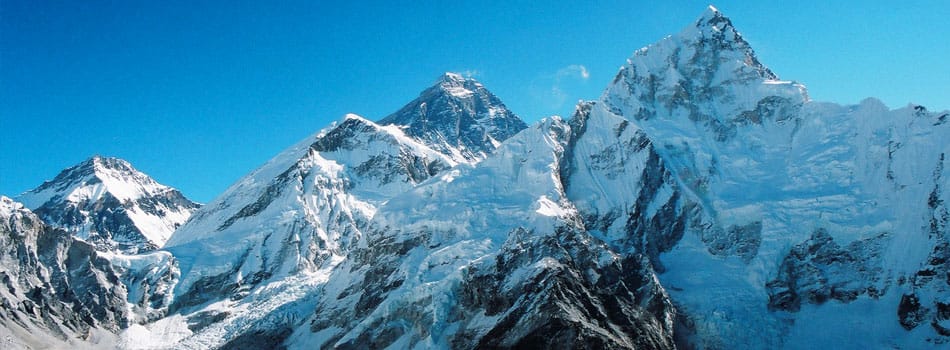
Nepal, a small yet sovereign landlocked country, is strategically located between two giants—India and China. Spanning from the low-lying plains of the Terai (70m above sea level) to the towering peaks of the Himalayas (8,848m, Mount Everest), Nepal’s topography is diverse and unique. The country covers 147,181 square kilometers, making up 0.03% of the Earth’s land area and 0.3% of Asia’s total landmass. Nepal is divided into three geographical regions: the Himalayas, the Hills, and the Terai, each offering distinct climatic and ecological diversity.
Cultural and Religious Tapestry
Nepal is a melting pot of cultures, ethnicities, and religions. Hinduism and Buddhism dominate, with numerous followers of Islam, Christianity, Kirat, Sikhism, and other indigenous faiths. Nepalese traditions celebrate unity in diversity, where temples, monasteries, mosques, and churches co-exist harmoniously. The Pashupatinath Temple, Swayambhunath Stupa, Lumbini, and Janaki Mandir are just a few among the countless sacred sites that reflect Nepal’s deep-rooted spiritual essence.
Nepalese culture is an intricate fusion of music, dance, festivals, art, and cuisine. Festivals like Dashain, Tihar, Holi, Buddha Jayanti, and Indra Jatra highlight the nation’s rich traditions, uniting people of various backgrounds. The unique architectural styles seen in the Kathmandu Valley’s Durbar Squares, pagoda temples, and intricate woodwork showcase Nepal’s artistic excellence.
Linguistic Wealth
Nepal, being a multi-lingual nation, recognizes more than 113 languages spoken by different ethnic groups. While Nepali is the official language, regional languages such as Maithili, Bhojpuri, Newar, and Tamang hold significant importance. English is widely used in business, tourism, and education, further enhancing Nepal’s connectivity to the global community.
Natural Wonders and Biodiversity
Beyond its cultural richness, Nepal is a paradise for nature lovers and adventure seekers. It boasts an extraordinary range of biodiversity, from subtropical jungles in the Terai to alpine meadows in the Himalayas. Nepal is home to rare and endangered species like the one-horned rhinoceros, Bengal tiger, red panda, and snow leopard. The Chitwan National Park and Sagarmatha National Park, both UNESCO World Heritage Sites, offer unparalleled wildlife experiences.
For adventure enthusiasts, Nepal is the ultimate destination. From trekking in the Annapurna and Everest regions to white-water rafting, paragliding in Pokhara, and mountaineering, Nepal is a thrill-seeker’s dreamland. The serene lakes of Pokhara, the mystical caves, and the deep gorges of the Kali Gandaki River further amplify Nepal’s natural grandeur.
Must-Visit Destinations
Kathmandu Valley
The capital city, Kathmandu, along with Bhaktapur and Lalitpur, is an open-air museum. The valley houses seven UNESCO World Heritage Sites, including Kathmandu Durbar Square, Bhaktapur Durbar Square, Patan Durbar Square, Pashupatinath Temple, Swayambhunath (Monkey Temple), Boudhanath Stupa, and Changu Narayan Temple. Each of these sites holds centuries of history and unparalleled artistic beauty.
Pokhara: The Jewel of Nepal
Pokhara, Nepal’s tourism capital, is a breathtaking city surrounded by the Annapurna range. The tranquil Phewa Lake, the stunning Machhapuchhre Himal (Fishtail Mountain), Davis Falls, Mahendra Cave, and the thrilling adventure sports make Pokhara a must-visit destination. Known for its laid-back ambiance and panoramic landscapes, Pokhara offers a perfect escape into nature.
Lumbini: The Birthplace of Buddha
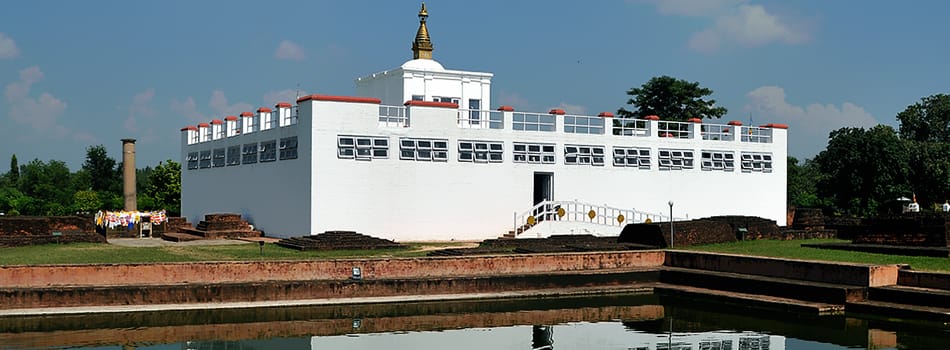
Lumbini, a UNESCO World Heritage Site, is the sacred birthplace of Lord Buddha. The Maya Devi Temple, Ashoka Pillar, and numerous international monasteries attract thousands of pilgrims and peace seekers from around the world. Lumbini stands as a testament to Nepal’s contribution to global peace and spirituality.
Chitwan: The Wildlife Haven
Chitwan National Park, Nepal’s first national park, is a haven for wildlife enthusiasts. A safari through the lush jungles provides a chance to see rare species like the Bengal tiger, one-horned rhinoceros, and diverse birdlife. The Tharu culture and their traditional stick dances add cultural charm to the region.
Janakpur: The City of Mythology
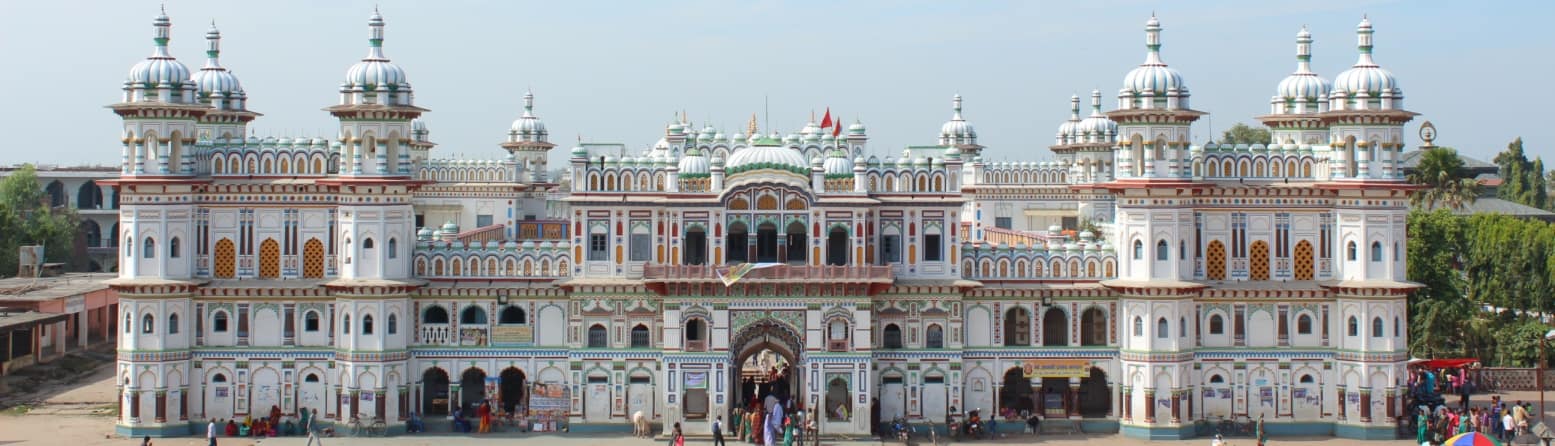
Janakpur, the ancient capital of the Mithila Kingdom, is revered as the birthplace of Goddess Sita. The Janaki Mandir, a stunning architectural masterpiece, is a major pilgrimage site for Hindus. The city is a center of Maithili art, literature, and traditions, making it a fascinating cultural hub.
Nepal is not just a country; it is an experience that leaves an indelible mark on every traveler. Whether it is the warm hospitality of the Nepalese people, the spiritual aura of the temples and monasteries, the serenity of the Himalayan peaks, or the adrenaline-pumping adventure sports, Nepal has something for everyone. It is a land where history meets modernity, where nature and culture harmoniously intertwine.
For foreigners, Nepal offers an unforgettable journey filled with discovery, adventure, and peace. For Nepalese, it is a land of immense pride—a nation that has preserved its heritage, maintained its independence, and embraced diversity with open arms. Nepal is truly a paradise on Earth, a destination that must be visited at least once in a lifetime.