
Kathmandu, May 4 – In a move that underscores deepening ties between two of the world’s largest nations, Chinese President Xi Jinping is set to pay a state visit to Russia from May 7 to 10, where he will also participate in commemorations marking the 80th anniversary of the Great Patriotic War victory. The visit, made at the invitation of President Vladimir Putin, reflects a significant moment in international relations, particularly as calls for a more balanced global order grow louder.
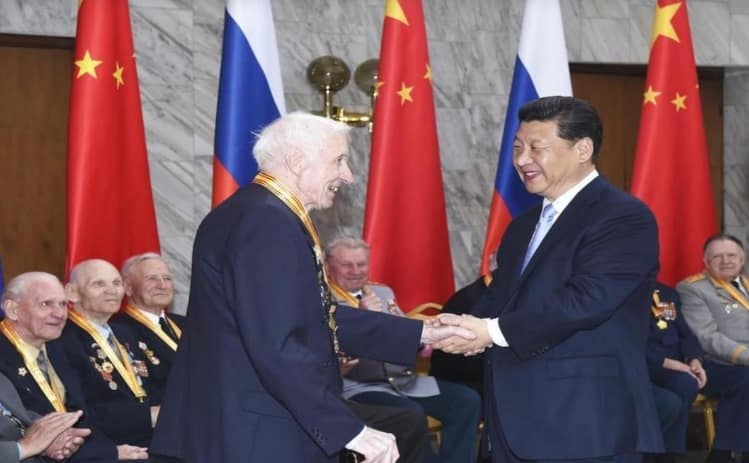 This high-level diplomatic engagement is expected to reinforce the strategic partnership between China and Russia—countries that have historically borne great sacrifices during World War II and have since positioned themselves as pivotal actors in shaping global affairs. The two presidents are expected to engage in comprehensive discussions addressing not only bilateral relations but also broader international and regional issues. The visit takes place in the backdrop of rising geopolitical tensions and shifting power dynamics worldwide.
China’s Ministry of Foreign Affairs highlighted that the visit will further cement political trust between the two neighbors, intensify strategic coordination, and yield practical cooperation that benefits both peoples. Importantly, the meeting will also reflect their joint commitment to stability and fairness in global governance.
The Moscow commemorations coincide with the 80th anniversaries of not only the Soviet Union’s resistance and triumph over fascism but also China’s victory in its prolonged resistance against Japanese imperial aggression. These parallel histories of sacrifice are seen as reminders of a time when nations, through mass mobilization and unity, stood up against oppression and imperial domination.
Observers note that President Xi’s participation in the victory celebrations is symbolic—not just of a shared past, but of a shared vision. Both countries have consistently defended the legacy of World War II, stressing the importance of historical truth, multilateralism, and post-war international order against attempts to rewrite history or impose hegemonic narratives.
This year also marks the 80th anniversary of the United Nations. As founding and permanent members of the UN Security Council, China and Russia are seen to be doubling down on their roles as advocates of a more inclusive world system. Through platforms such as BRICS, the Shanghai Cooperation Organization, and the UN itself, they have pledged to champion the rights and aspirations of the Global South—those nations often excluded from decision-making tables.
The visit comes at a time when unilateral sanctions, external interventions, and militarized blocs have intensified global instability. In contrast, China and Russia’s partnership projects a vision of global governance based on sovereignty, mutual respect, and peaceful development. Their stance opposes coercive diplomacy and aims to ensure that the developing world has a stronger voice in shaping the future.
As the world commemorates past victories over fascism and colonialism, the renewed solidarity between Beijing and Moscow is not just ceremonial. It echoes a broader, resounding call for a multipolar world—one where no single power dictates the fate of many.