
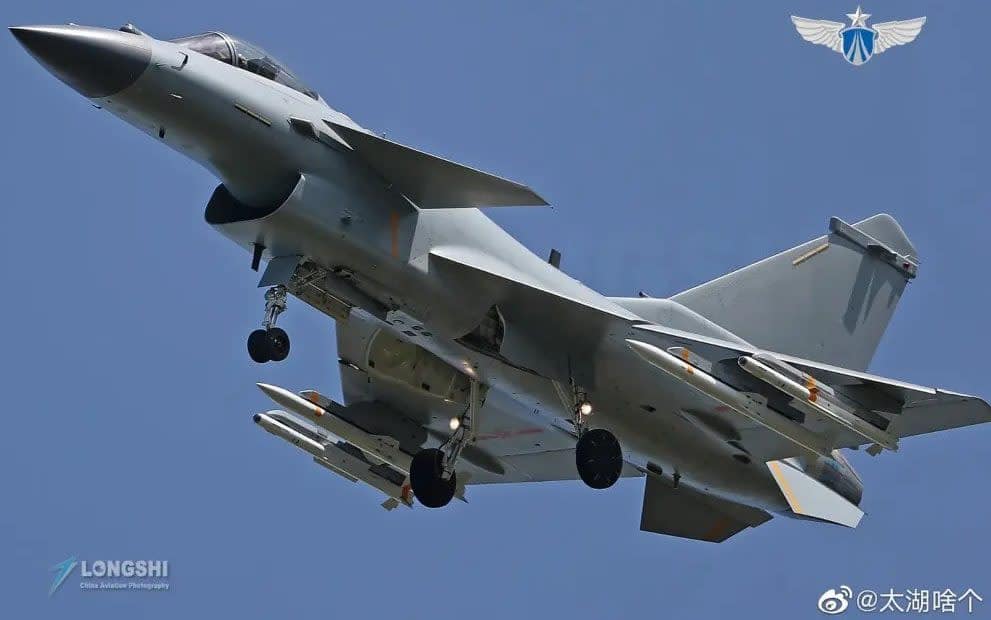
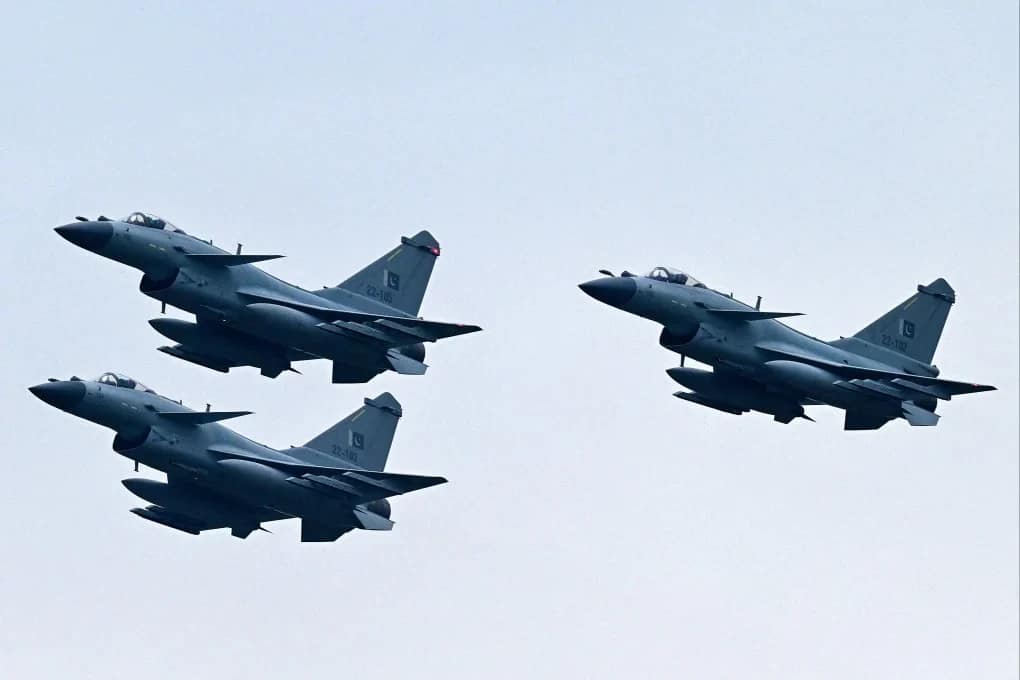
The long-standing tensions between India and Pakistan have entered a critical new phase, one that not only underscores the volatility of the region but also signals a broader shift in global military and geopolitical dynamics. Recent claims by Pakistan that its air force downed three Indian Rafale fighter jets—reportedly using Chinese-made J-10C aircraft armed with PL-15 missiles—have raised urgent questions about the effectiveness of Western-supplied arms and the rising influence of alternative defense systems in global conflicts.
A Challenge to Western Military Dominance
For decades, the global arms market has been dominated by Western powers, with nations like the U.S., France, and Israel positioning their weaponry as the gold standard in modern warfare. India, traditionally reliant on Russian arms, has increasingly turned to these Western suppliers in recent years, investing heavily in French Rafale jets as a cornerstone of its air force modernization.
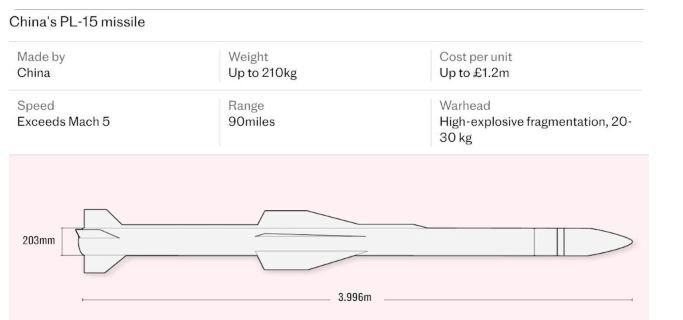
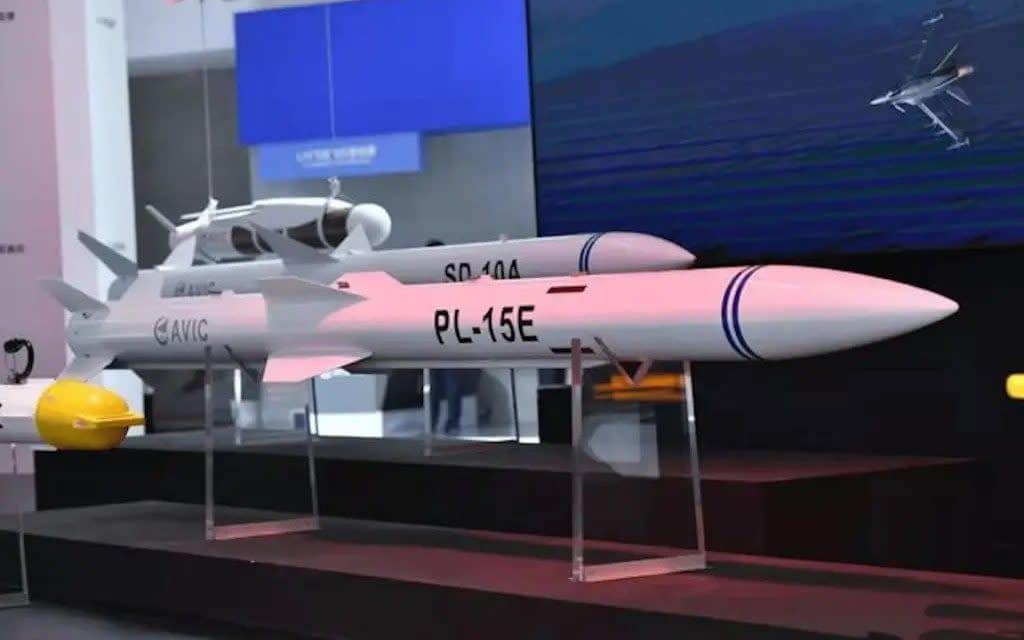
Yet, if Pakistan’s claims hold weight, the apparent vulnerability of the Rafale—a so-called “4.5 generation” aircraft—against Chinese-made systems suggests a potential erosion of Western military superiority. The PL-15 missile, with its reported 145-kilometer range, has now moved from theoretical capability to real-world validation, marking a significant moment for China’s defense exports. This development does more than just bolster Pakistan’s military confidence; it challenges the long-held assumption that Western arms are inherently superior.
The China-Pakistan Axis and the Decline of Traditional Arms Dependence
Pakistan’s deepening military partnership with China is no accident. According to SIPRI data, 82% of Pakistan’s arms imports between 2019 and 2023 came from China, reflecting a strategic pivot away from reliance on U.S. and European suppliers. Beyond the J-10C, the two nations co-produce the JF-17 Block-3 fighter, also armed with the PL-15, further solidifying China’s role as Pakistan’s primary defense ally.
This shift is emblematic of a larger trend: nations in the Global South are increasingly seeking alternatives to Western-dominated arms markets. Where once countries had little choice but to align with NATO-linked suppliers, China’s rise as a defense exporter offers a competing model—one that combines affordability with increasingly advanced technology.
India’s Strategic Dilemma: Modernization or Miscalculation?
India’s defense strategy, despite its massive budget, now faces serious scrutiny. The reported downing of Rafale jets—if confirmed—would expose critical vulnerabilities in India’s reliance on high-cost Western imports. While India has diversified its arms purchases away from Russia, the efficacy of these investments is now in question.
The incident also highlights a paradox in global arms trade: nations spending billions on Western hardware may not always receive the invincibility they are promised. Just as Russian arms have faced criticism in other conflicts, the performance of Western weapons in South Asia may force a reassessment of their real-world effectiveness.
Geopolitical Implications: Beyond India and Pakistan
This conflict is not merely a bilateral skirmish—it is a testing ground for competing military technologies and alliances. China’s visible enthusiasm following Pakistan’s claims suggests Beijing sees this as a validation of its defense industry, one that could reshape arms markets in Asia, Africa, and beyond.
For the U.S. and Europe, the stakes are high. If Chinese systems prove consistently effective in combat, the appeal of Western arms could diminish, particularly among nations seeking alternatives to U.S.-influenced supply chains. Meanwhile, India may face pressure to either accelerate indigenous defense production or further diversify its suppliers—potentially even reconsidering its distancing from Russia.
A New Era in South Asian Security
The tensions between India and Pakistan are no longer just about territorial disputes—they are a microcosm of changing global power structures. The apparent success of Chinese military technology in this conflict suggests that the future of warfare may not be dictated by traditional arms exporters but by emerging players willing to challenge the status quo.
As South Asia’s security landscape evolves, one thing becomes clear: the era of unchallenged Western military dominance may be fading. Nations are increasingly exploring self-reliance and alternative partnerships, signaling a world where power is no longer monopolized by a handful of established actors. The implications extend far beyond the Himalayas—this is a shift that could redefine global alliances, arms trade, and strategic autonomy for decades to come.