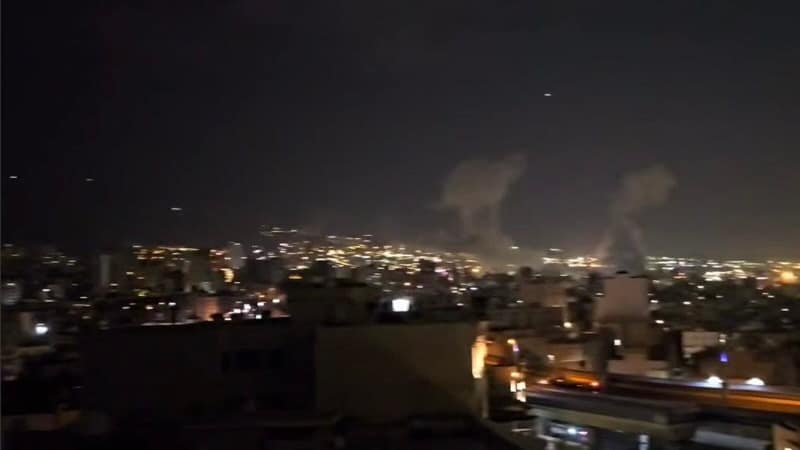
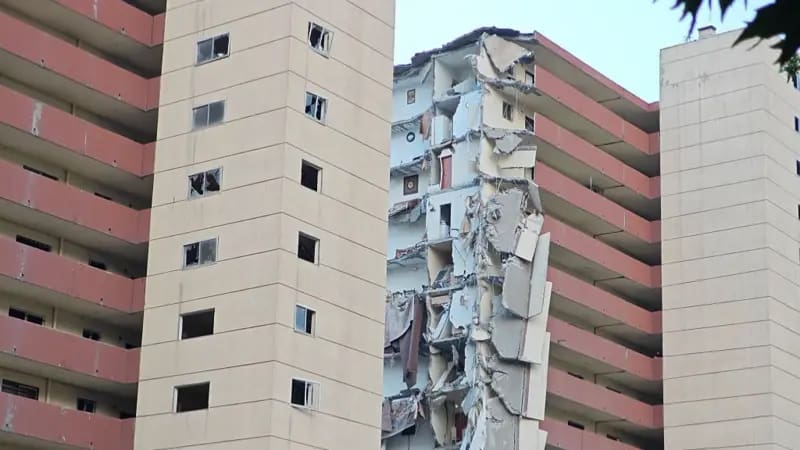
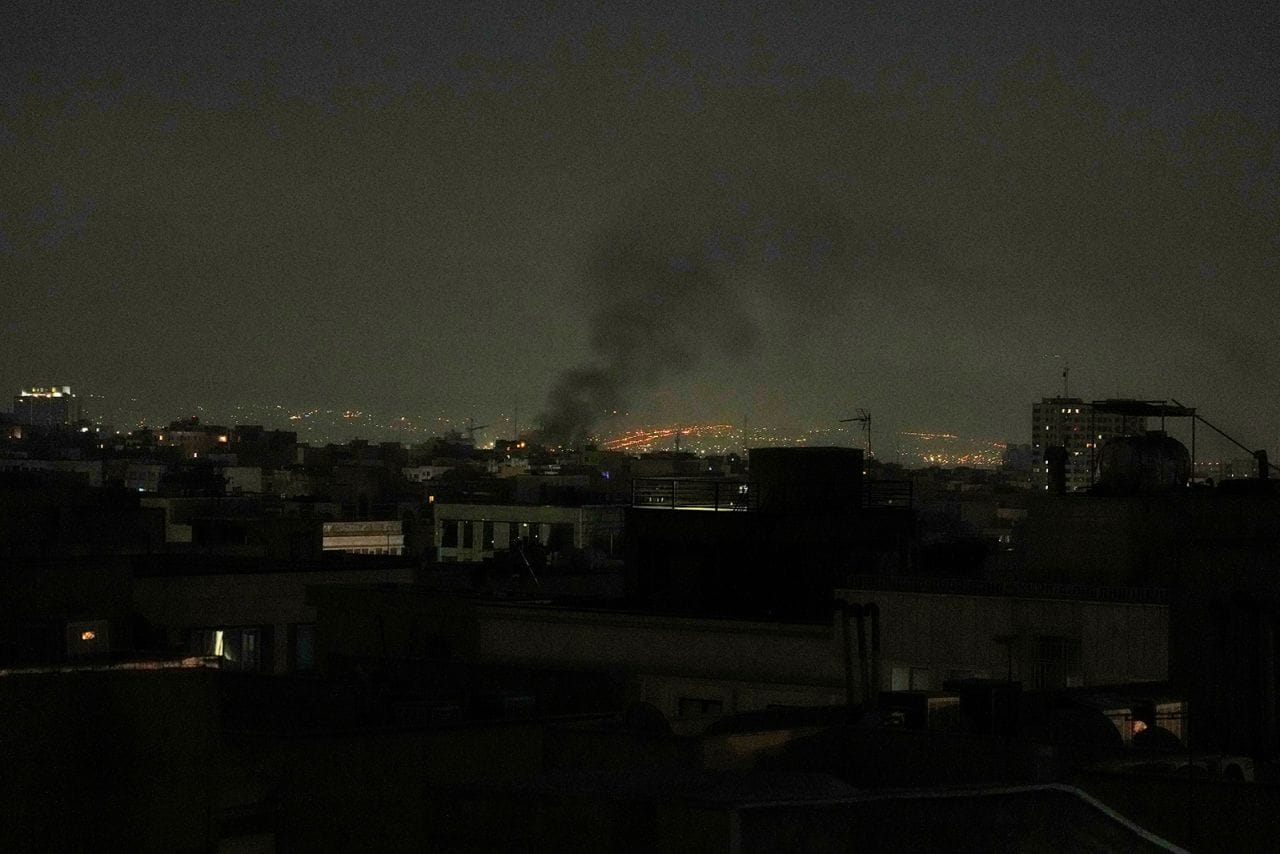
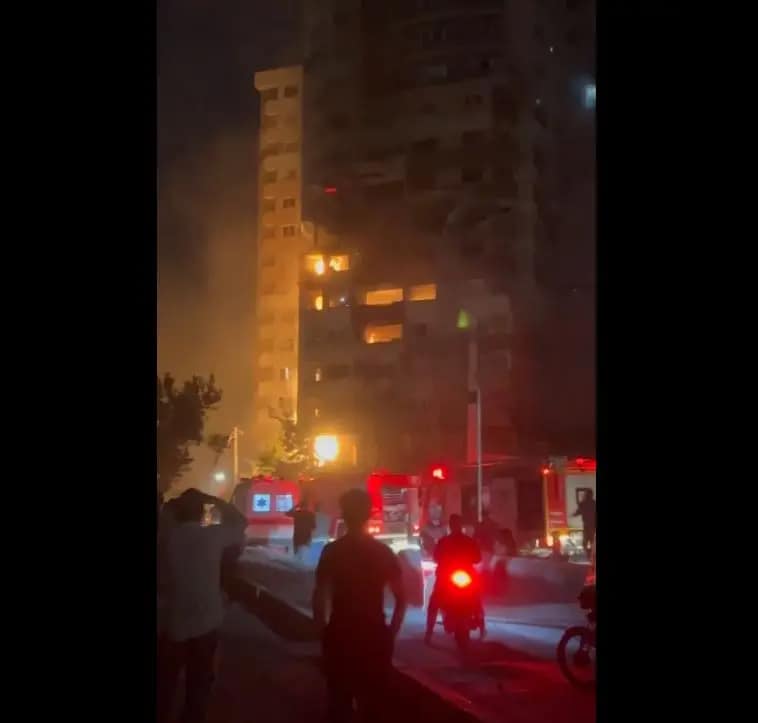
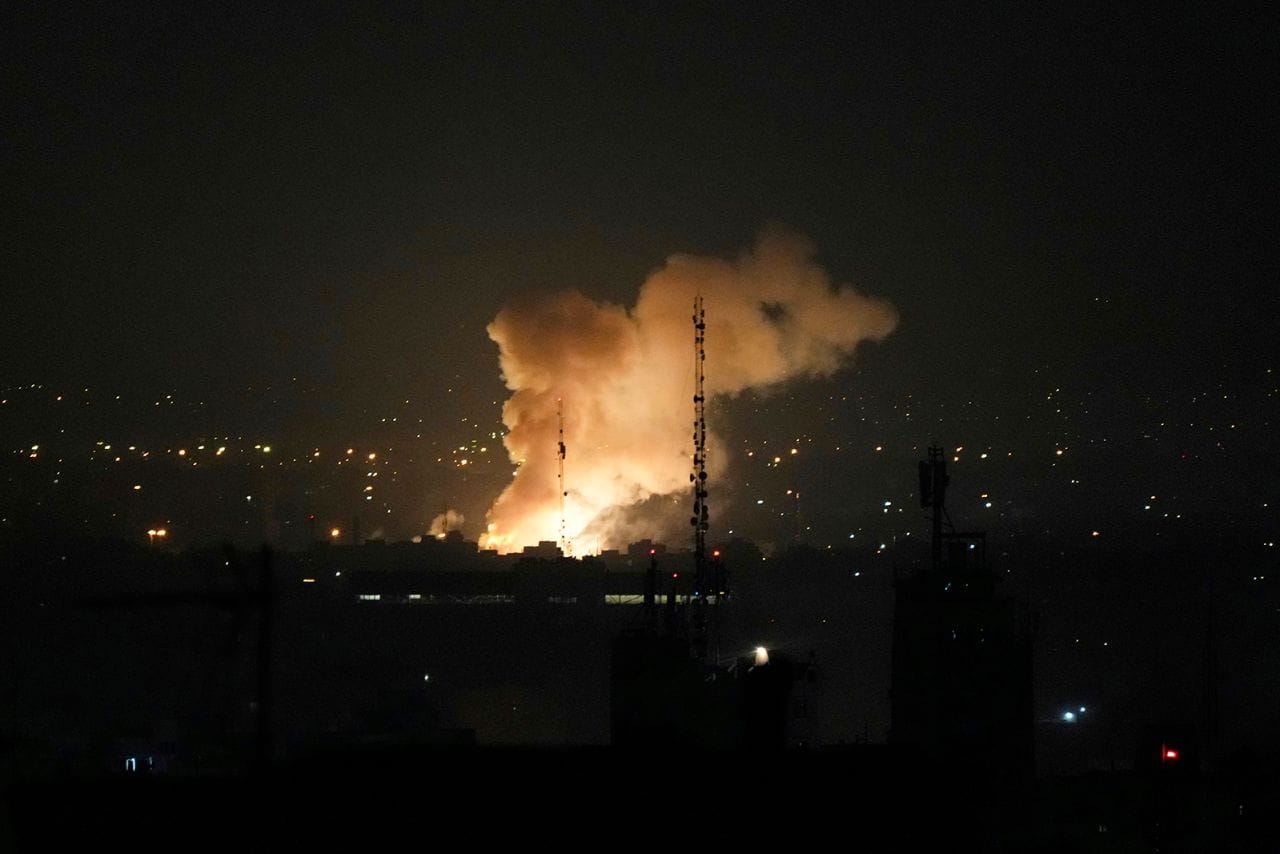
In the early hours of Friday, June 13, 2025, Israeli warplanes carried out a dramatic and aggressive series of airstrikes across Iran, striking not only military sites and nuclear facilities but also residential areas in a move that many view as a dangerous escalation toward a full-scale war in West Asia. The attacks, dubbed “Operation Rising Lion” by Israeli Prime Minister Benjamin Netanyahu, have already claimed the lives of high-ranking Iranian officials, nuclear scientists, and civilians — a bloody demonstration of a policy that disregards civilian life and disregards international norms.
Netanyahu insisted in a televised address that the assault would continue for “as many days as necessary” to destroy what his government called Iran’s “existential threat” to Israel. His military struck Iran’s nuclear facilities in Natanz and key sites associated with its ballistic missile program, while the Iran Revolutionary Guard Corps (IRGC) confirmed the killing of commander Maj. Gen. Hossein Salami alongside nuclear scientist Fereydoon Abbasi and Mohammad Mahdi Tehranchi. Reports from Tehran described residential buildings reduced to rubble and civilians — including women and children — suffering the consequences of a campaign designed to undermine Iran’s ability to respond.
Meanwhile, Iran’s Supreme Leader Ayatollah Ali Khamenei condemned the aggression and called it a violation of Iran’s sovereignty and a dangerous attack on peace in the region. Iran’s Defence Minister Aziz Nasirzadeh followed up by threatening direct retaliation against U.S. military bases in the Gulf and Israeli nuclear facilities if attacks continued. Iran-backed resistance movements across West Asia, from Hezbollah in Lebanon to Shiite groups in Iraq, are believed to be preparing their own responses, adding to the fear of a wider escalation.
The role of the USA in this attack is hard to ignore. Although the White House denied direct participation, the hasty evacuation of non-essential US military and diplomatic personnel from bases in Bahrain, Iraq, and Kuwait underscores the knowledge — if not the complicity — of Washington in the attack’s timing. Iran has gone further, alleging that the Israeli assault was backed by the USA and made possible by decades of unconditional aid and political cover. Furthermore, Iran exposed what it called collusion between the International Atomic Energy Agency and Israel, alleging that IAEA chief Rafael Grossi provided clandestine information to aid the attack — a claim dismissed by the IAEA but taken by many in Iran and across the progressive world as further proof of the West’s unfair treatment.
The attack came just days before a sixth round of negotiations between Iran and the USA were set to start in Oman’s capital, Muscat, on June 15. The timing underscores the view that Israel chose aggression over diplomacy, disregarding peace talks in a deliberate policy to undermine diplomatic progress. Critics say Netanyahu, battling political crises and corruption charges at home, is employing a policy of war to consolidate power and divert attention from growing discontent within Israeli society — a tactic that highlights the dangerous convergence of internal politics and imperial aggression.
The international community, particularly progressive movements and advocates for peace, have condemned these attacks and demanded an immediate ceasefire. They view Israel’s aggression not as a defensive move but as a manifestation of a policy that disregards diplomatic solutions and instead seeks domination through force — a policy made possible by decades of USA military aid and a permanent political cover-up at the international level. The working classes of Iran and Israel, alongside civilians across West Asia, will suffer the most from this escalation — while ruling regimes pursue their own agendas of power and control.
As the people of Nepal and progressive forces across the world watch these events unfold, solidarity must be shown with those resisting imperial aggression and occupation. The path toward peace lies in dismantling structures of domination — not in airstrikes and aggression — and in honoring the right of all people to live free from war and imperialism. The coming days will be a crucial test of whether international movements can unite against this attack and raise their voice for justice and peace. The future of West Asia hangs in the balance — a future that should be defined by dialogue, solidarity, and fairness, not by bombs and aggression.