
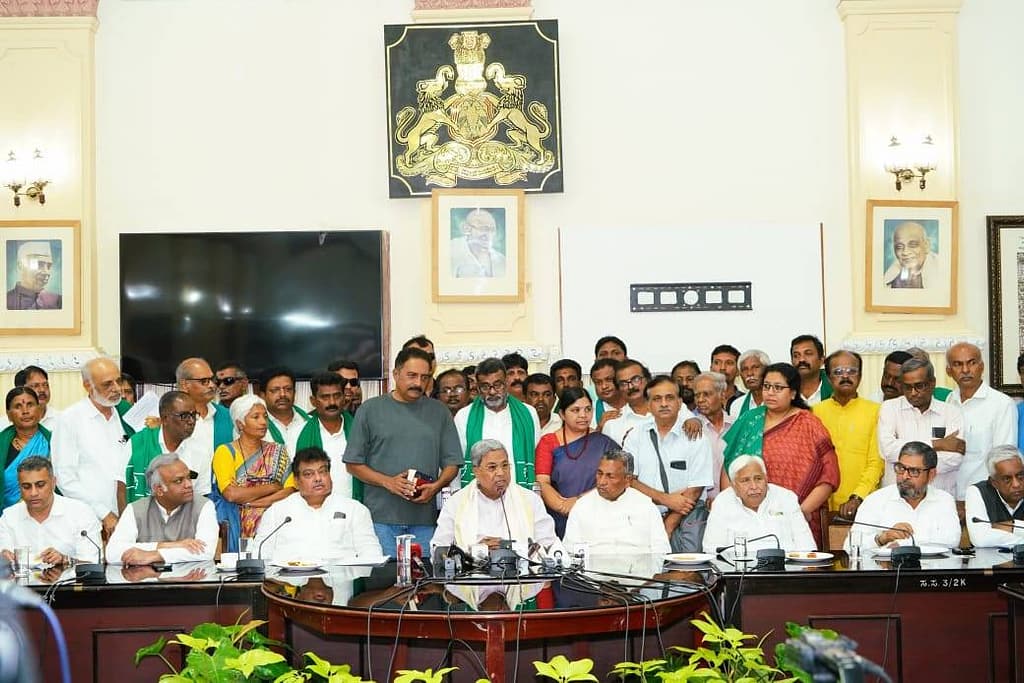
In a resounding affirmation of collective power and democratic resistance, farmers in Karnataka’s Channarayapatna Hobli have won a historic victory after 1,198 relentless days of protest. On July 15, 2025, Karnataka Chief Minister Siddaramaiah scrapped the land acquisition notices that threatened to displace hundreds of farming families and dispossess them of over 1,777 acres of fertile, multi-cropped agricultural land. This victory is not just a local win—it is a monumental moment for grassroots people’s movements across the subcontinent, especially as communities face escalating dispossession in the name of “development.”
The story of Channarayapatna is emblematic of a deeper contradiction: the clash between industrial capital backed by the state and the agrarian working class struggling to protect its livelihood, dignity, and land. In 2022, under the previous Bharatiya Janata Party (BJP) government, preliminary land acquisition notices were issued under the controversial Karnataka Industrial Areas Development (KIAD) Act of 1966—circumventing the more democratic Land Acquisition Act of 2013, which requires 80% farmer consent. This draconian maneuver set the stage for a prolonged confrontation between the state and its most marginalized citizens.
Despite the state’s aggressive tactics, including police violence, arrests, and the deliberate use of misinformation, the farmers stood firm. A young farmer, Pramod, lost his eye to police brutality during Independence Day protests in 2024. Others, like veteran leader G.C. Bayya Reddy, who continued the struggle even while tethered to an oxygen concentrator, became symbols of an unyielding will. Reddy’s death in January 2025 was a moment of mourning—but also a rallying cry. Instead of faltering, the movement redoubled its efforts.
A crucial aspect of this resistance was the formation of the Channarayapatna Anti-Land Acquisition Struggle Committee, supported by a broader coalition known as Samyuktha Horata Karnataka (SHK)—a united front of farmers’ unions, workers’ collectives, Dalit organizations, and progressive groups. Together, they crafted a decentralized, grassroots-led resistance that challenged not only state power but also the unholy nexus of bureaucrats, real estate developers, and moneylenders.
At the heart of the struggle was a basic demand: the right to land, which for India’s peasantry is not only an economic asset but also a source of identity, history, and survival. Many of the threatened farmers had already lost portions of their land in previous acquisitions for similar industrial projects—projects that today lie abandoned or parceled out to private developers.
This was never just about compensation. It was about resisting a model of development that prioritizes corporate interests over community well-being. The government’s continued pursuit of farmland—even while 6,000 acres previously acquired lay unused—exposed the hollowness of its “industrialization” narrative. What farmers and activists uncovered was a real estate racket masquerading as economic planning, with middlemen ready to exploit those most vulnerable: Dalit farmers, smallholders, and the elderly.
Even after Chief Minister Siddaramaiah came to power in 2023—largely on the back of support from these very farmers—his administration continued the policies of its predecessor. It took the threat of mass arrests, a 3,000-strong rally outside Devanahalli Taluk office, and nationwide solidarity mobilizations by the Samyukt Kisan Morcha (SKM) for the state to finally back down.
The government’s retreat on July 15 was not a gift. It was wrested through resistance. While some political leaders aligned themselves with the movement for electoral gains, it was the daily presence of farmers, the sacrifices of people like Pramod and Reddy, and the unwavering support of unions and grassroots groups that truly made the difference.
The significance of this win goes beyond the borders of Channarayapatna. It sets a precedent for similar struggles underway in other villages around Bangalore and beyond. It reminds the rural poor and working class that legal hurdles can be challenged, that oppressive laws can be resisted, and that state power is not absolute.
It also exposes the anatomy of dispossession—how predatory moneylenders, often in collusion with real estate interests, trap small farmers in cycles of debt by exploiting their ignorance, fear, and bureaucratic inaccessibility. These agents, posing as benefactors, often mortgage the land of distressed farmers and push them toward forced sale or state acquisition, robbing them of the only asset they possess.
But the people of Channarayapatna flipped the script. In the final days leading up to the victory, village assemblies reaffirmed their unity. Attempts to fragment the movement with monetary inducements and threats failed. Even the misinformation campaign—that non-acquired lands would be reclassified as “green belt” and hence unsellable—was countered with mass awareness drives led by SHK and the farmers’ committee.
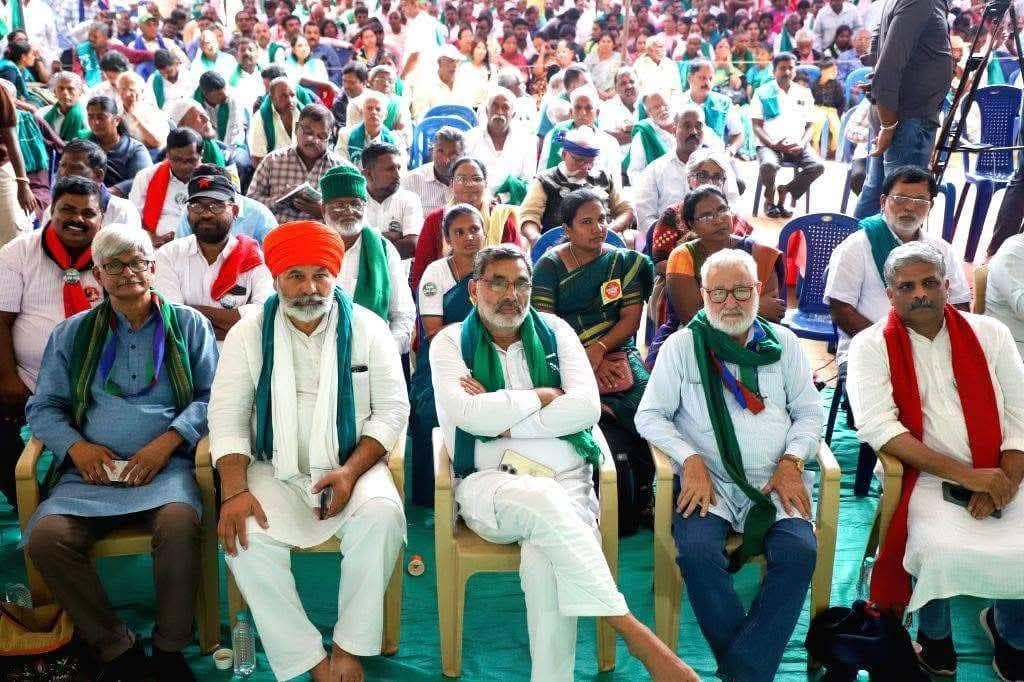
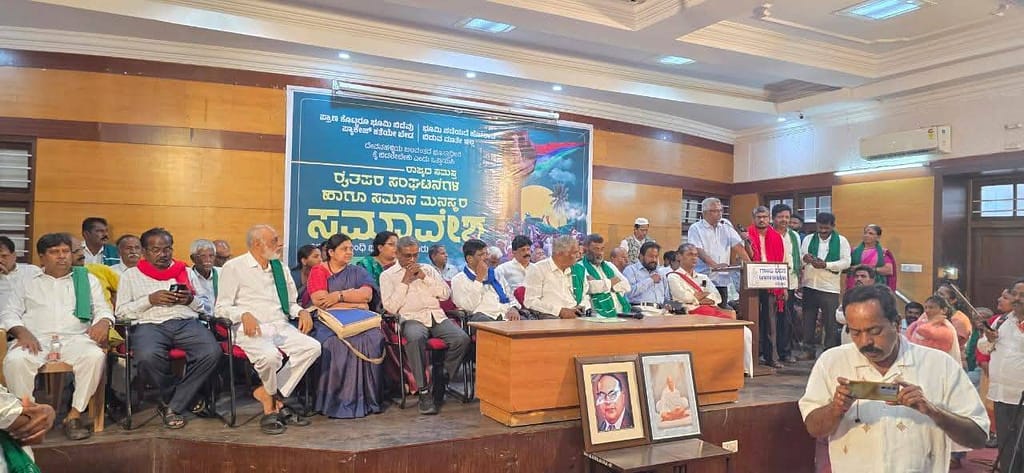
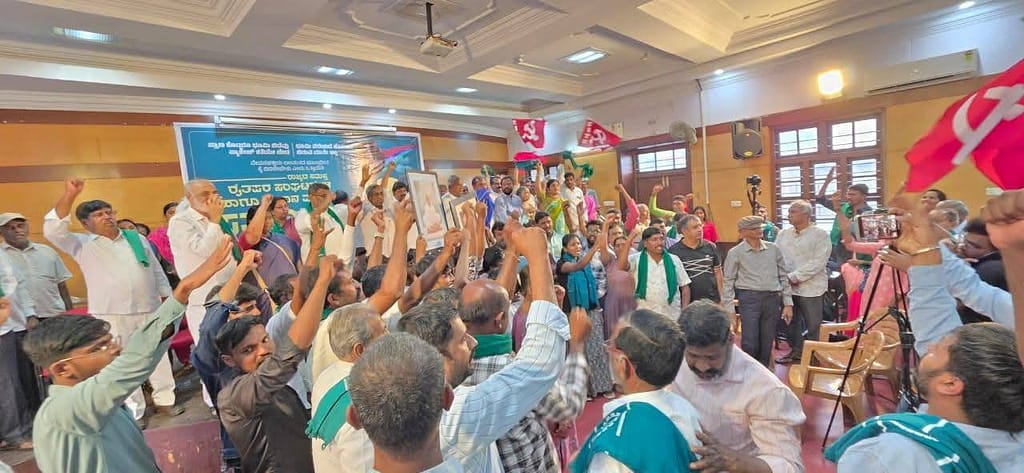
The July 15 victory declaration was not merely administrative. It was ceremonial, filled with emotional power. As farmers gathered at the Gandhi Bhavan, slogans echoed for Bayya Reddy’s legacy. With green scarves waving in triumph, the farmers made it clear: their land was not for sale, not for compromise, and certainly not for transfer to industrial speculators.
This battle was more than a land dispute—it was a referendum on the model of development that has increasingly alienated the people it claims to uplift. It was about who gets to decide the future of rural India: those who till the land, or those who wish to turn it into speculative assets.
As Yashavantha, the general secretary of the Karnataka Prantha Raitha Sangha, stated, this was a “trial by fire” for the people’s movement. And they emerged victorious. Not because of promises made in political manifestos, but because of the unrelenting force of organized resistance.
With other villages now seeking the counsel and support of the Channarayapatna farmers, this movement could become a cornerstone of a broader democratic front against displacement and forced industrialization. The victory is a reminder that when people stand united—across castes, genders, generations, and professions—they can confront and defeat even the most entrenched forms of exploitation.
In an era where the cries of the poor are often drowned out by slogans of “development,” Channarayapatna has shown that progress is not about bulldozers and factories—it is about dignity, justice, and land that feeds not just bodies, but entire ways of life.
Some information also collected from Communist Party of India (Marxist), newsclick and peoplesdispatch