
The recent launch of the “Vote Adhikar Yatra” by India’s Grand Alliance has ignited a significant political and social movement, drawing close attention from progressive parties, including those in Nepal. The march, led by Congress leader Rahul Gandhi and senior figures from the Rashtriya Janata Dal (RJD) and a range of communist parties, is not merely a localized protest but a potent symbol of a unified resistance against what they describe as the systematic erosion of democratic rights by the ruling Bharatiya Janata Party (BJP).
The yatra, which began in Bihar, a key state for the upcoming elections, is aimed at protesting the alleged “theft of votes” through the Special Intensive Revision (SIR) of the voter list. This campaign is a crucial battle to defend the fundamental democratic rights of the masses, particularly the marginalized, the poor, and the minorities who have historically been the bedrock of movements for social justice.
A United Front for the Working Class and Oppressed
This alliance is a strategic necessity for all parties involved. The Communist Party of India (Marxist-Leninist) Liberation, a key player in the Grand Alliance, brings a strong grassroots presence and a history of advocating for landless laborers, oppressed castes, and farmers. Their collaboration with mainstream parties like the Congress and RJD is seen as a pragmatic step to create a broad-based front against the BJP’s alleged neo-fascist agenda, which is believed to threaten secularism and socialist principles enshrined in India’s constitution.
The Nepalese progressive parties, having witnessed similar political dynamics and struggles, see a mirror image in India’s political landscape. The shared goal is to counter the rise of an authoritarian, hyper-nationalist regime that is using state machinery to suppress dissent and manipulate democratic processes. The participation of parties like the CPI-ML, the Communist Party of India (CPI), and the Communist Party of India (Marxist) [CPI(M)], ensures that the yatra’s core message—defending the right to vote—resonates with the most vulnerable sections of society, transforming it from a mere political protest into a genuine people’s movement.
Communist Leadership Galvanizes Grassroots Mobilization
The presence of figures like Comrade Jitendra Kumar further solidifies the yatra’s anti-establishment, pro-worker character. While media often focuses on the high-profile leaders, it is the dedicated work of grassroots organizers like Comrade Kumar that provides the movement with its strength and connection to the people. Comrade Jitendra Kumar, a leader with the CPI(M), brings a long history of activism and a deep understanding of the struggles faced by the working class in India’s rural and urban centers.
His participation, alongside leaders from other leftist parties, is a clear signal that they are not merely symbolic allies but active, on-the-ground partners in this struggle. The involvement of such leaders ensures that the yatra addresses the tangible issues faced by the common person—issues of economic inequality, social justice, and the preservation of democratic freedoms—that are central to their shared ideology.
A Fight for the Soul of Democracy
The “Vote Adhikar Yatra” is framed as a constitutional crusade to protect the very soul of Indian democracy. This is a direct response to what is perceived as a “collusion” between the state and the ruling party, a pattern observed globally where right-wing governments consolidate power by subverting democratic institutions. By exposing alleged irregularities in the electoral process, the Grand Alliance is not just fighting for a political win but is raising consciousness and mobilizing the masses to demand transparency and accountability.
The alliance’s diverse composition—from centrist and socialist parties to the more radical communist parties—highlights a strategic unity of purpose. This is a complex but powerful coalition that, despite its ideological differences, has found common ground in fighting what it sees as a threat to democratic socialism. The outcome of this yatra will not only determine the political future of India but will also serve as a critical case study for global progressive movements on how to forge a united front against the forces of reaction and authoritarianism.
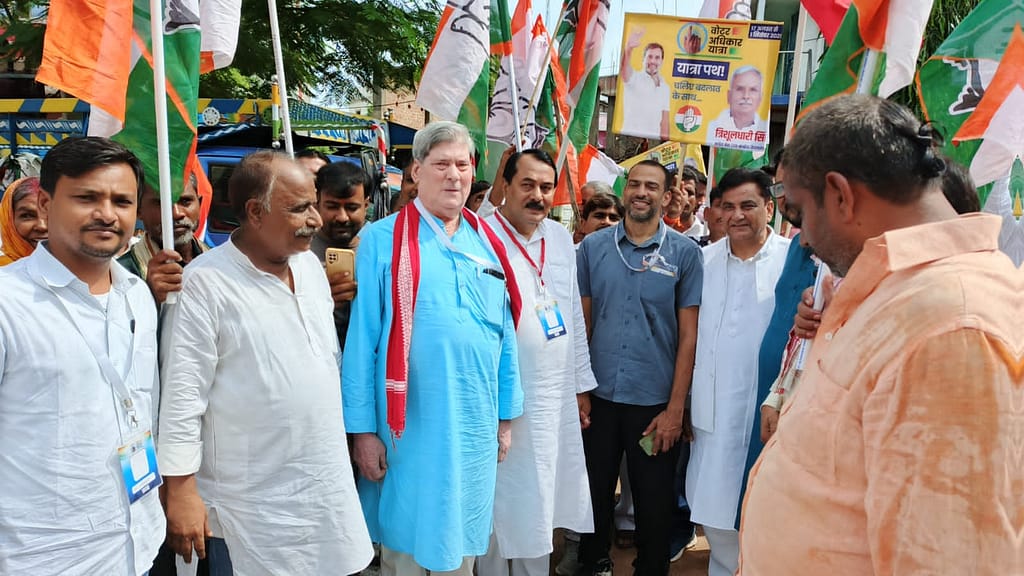
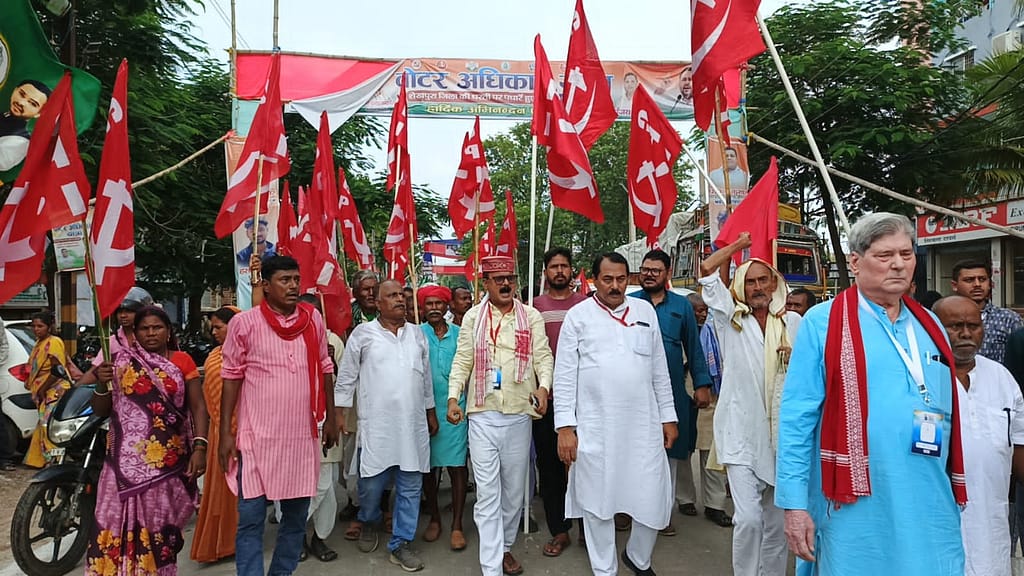
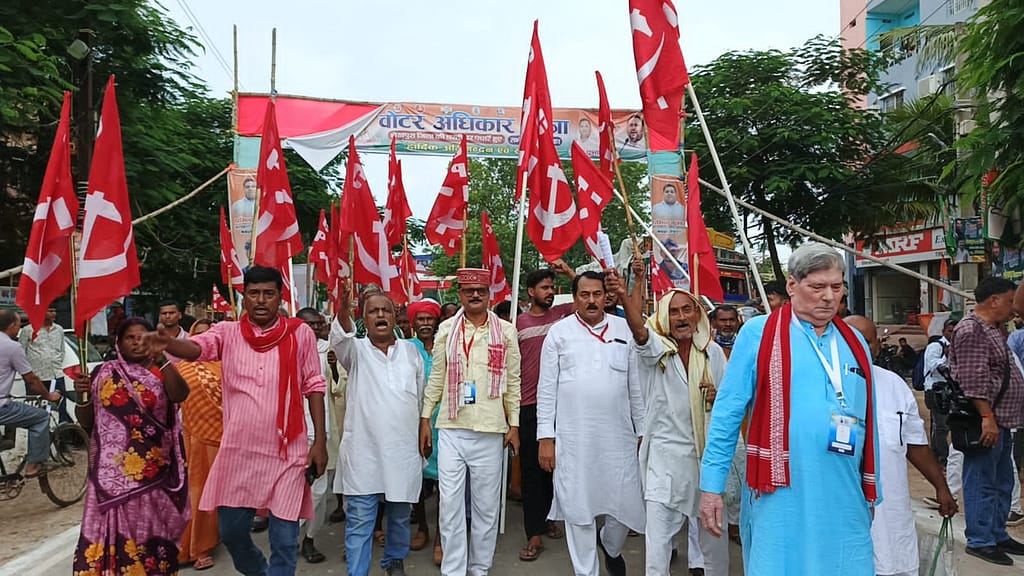
Pic. Source: Jitendra Kumar