
KATHMANDU / RASUWA. Its been three weeks after the Himalayan Climate Tsunami hit Nepal down the Trishuli and Bhote Koshi river. The La Via Campesina Nepal Coordination, working with local allies, is present in the affected valleys, observing, monitoring and delivering relief.
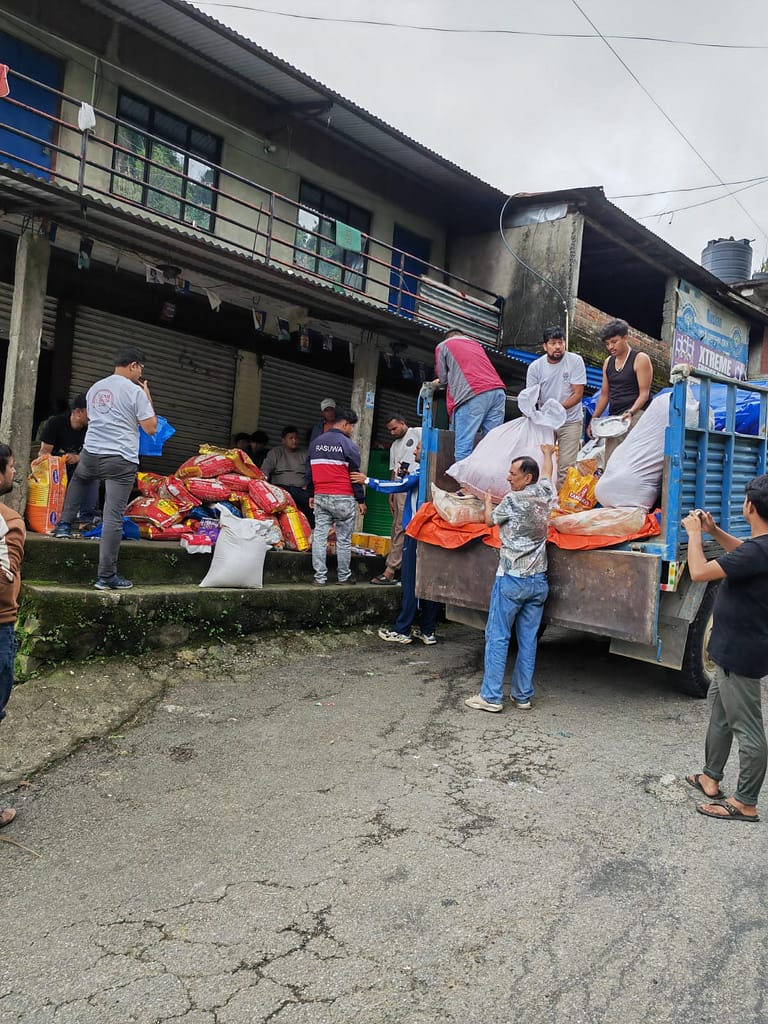
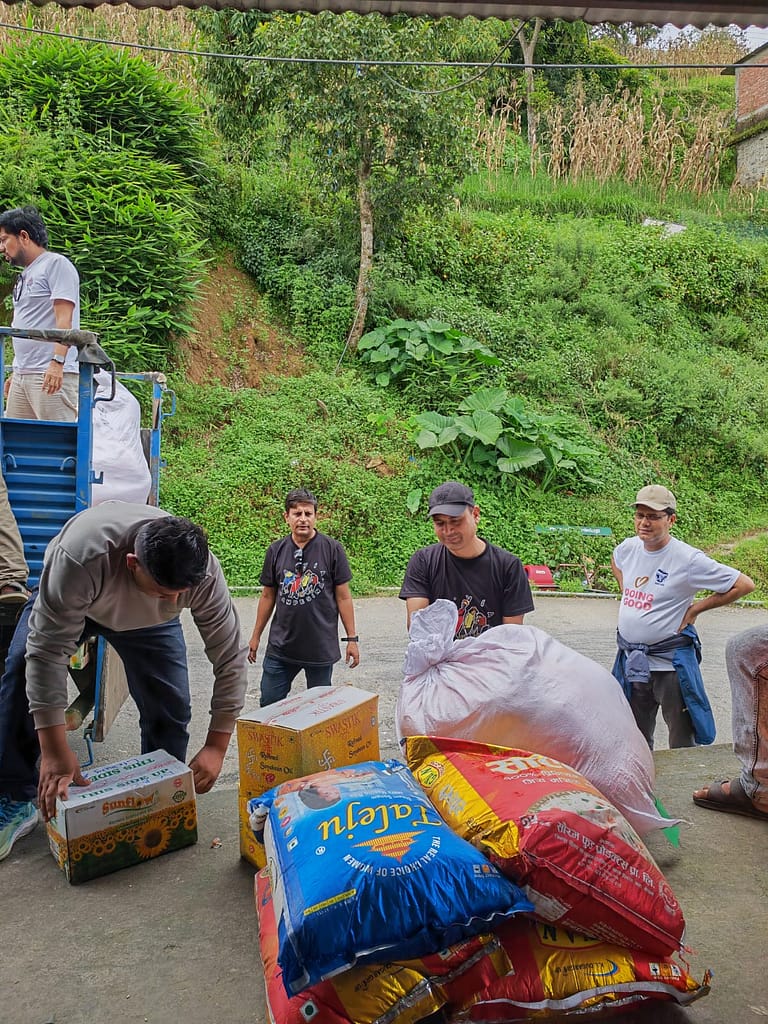
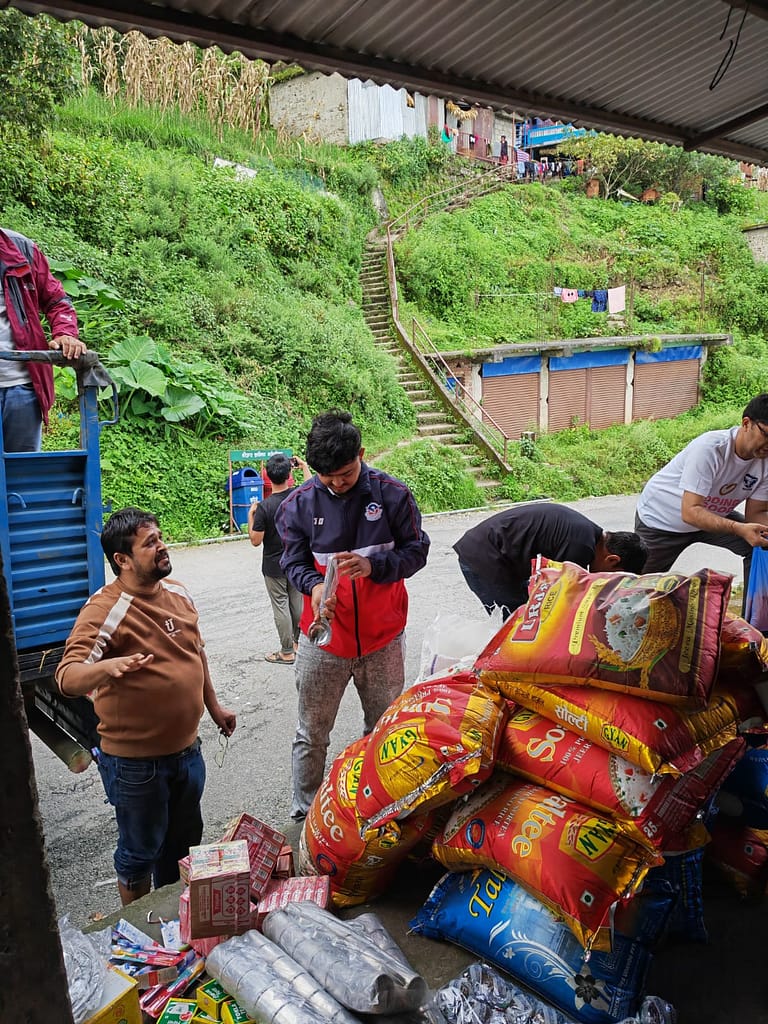
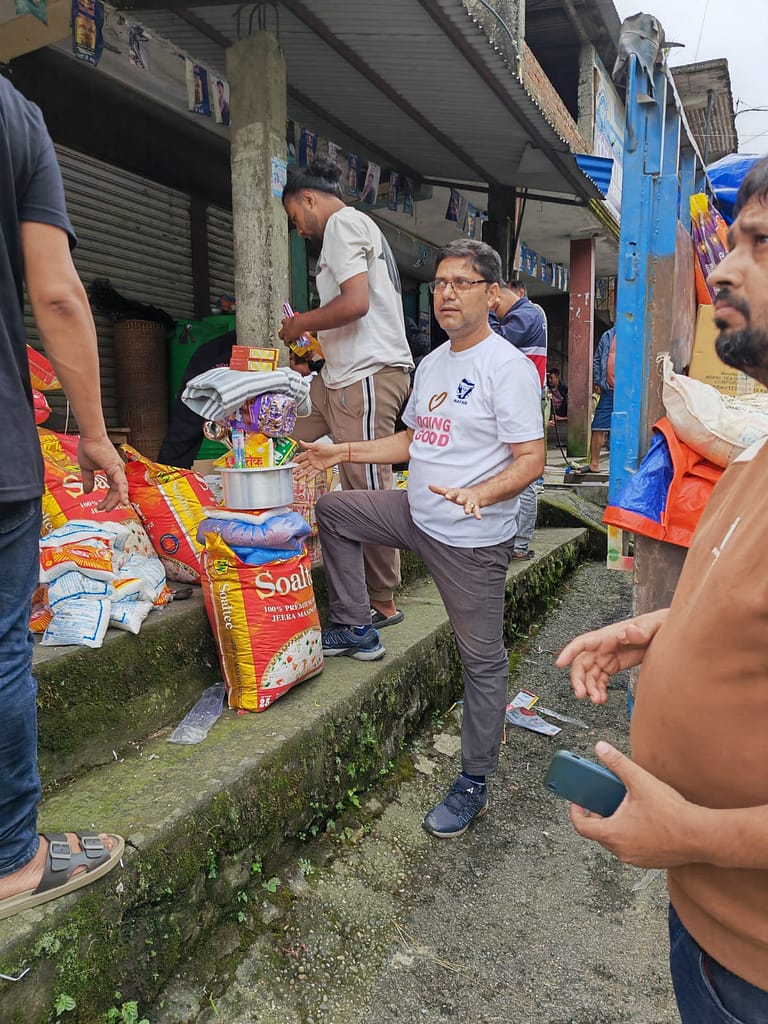
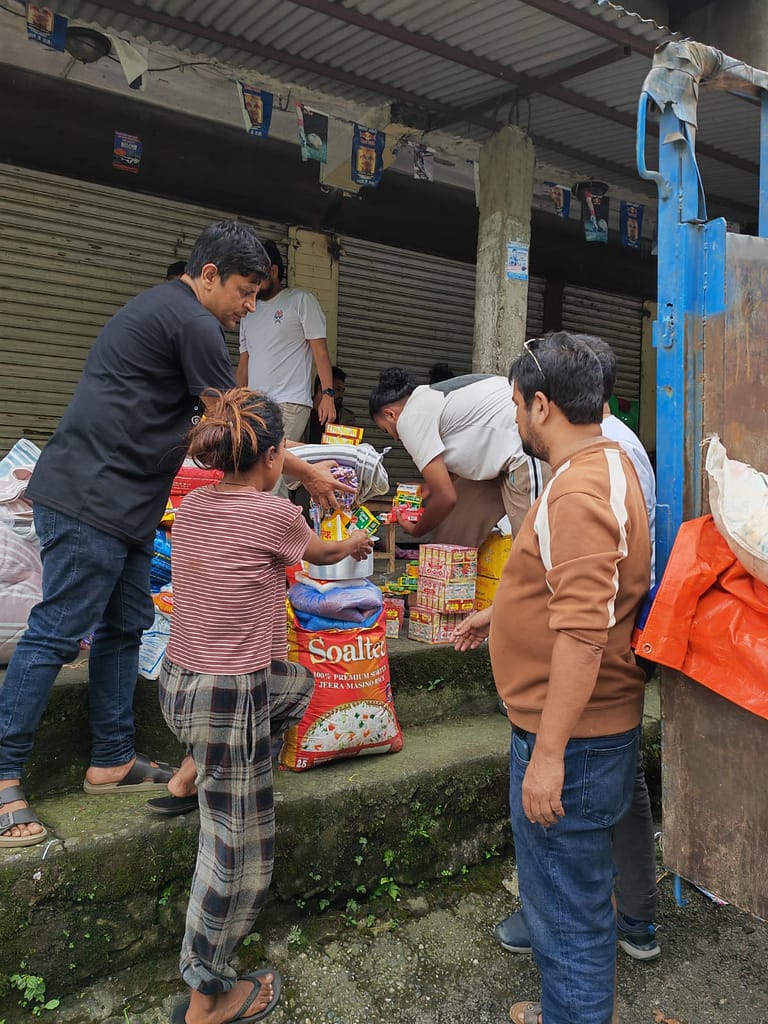
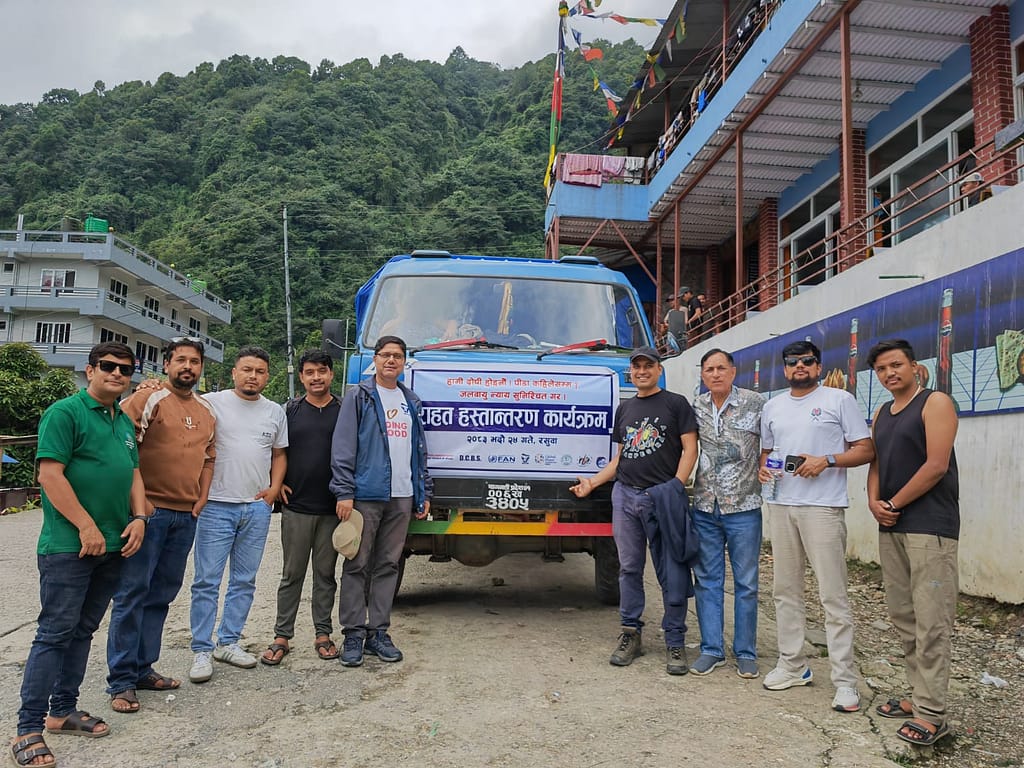
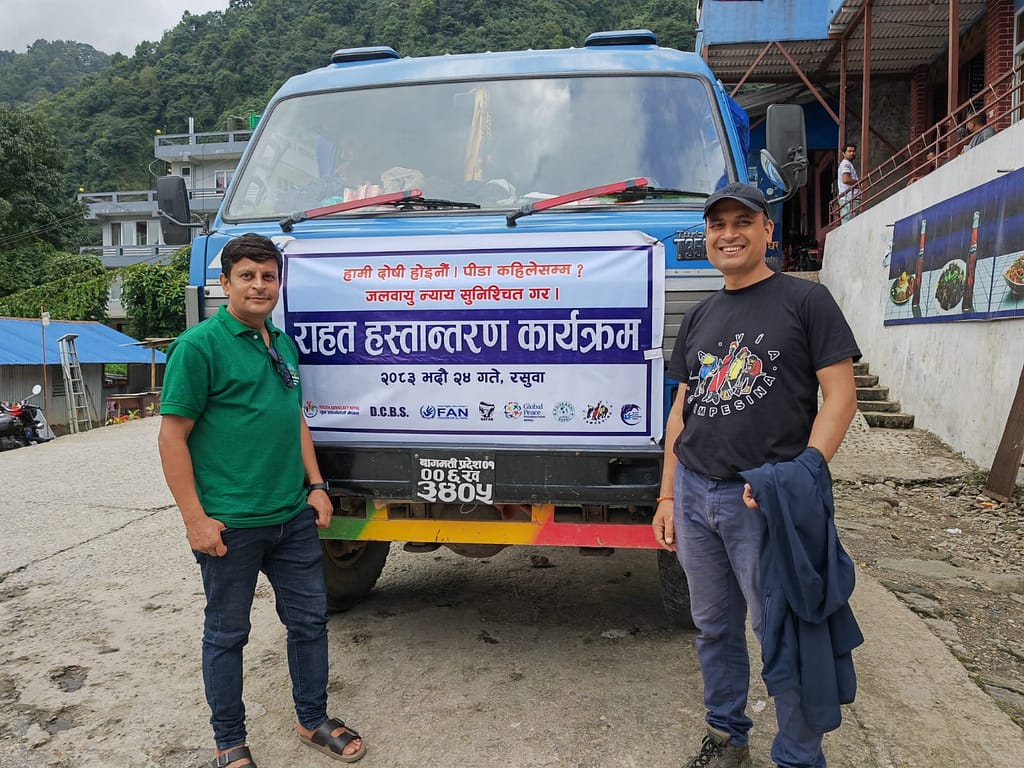
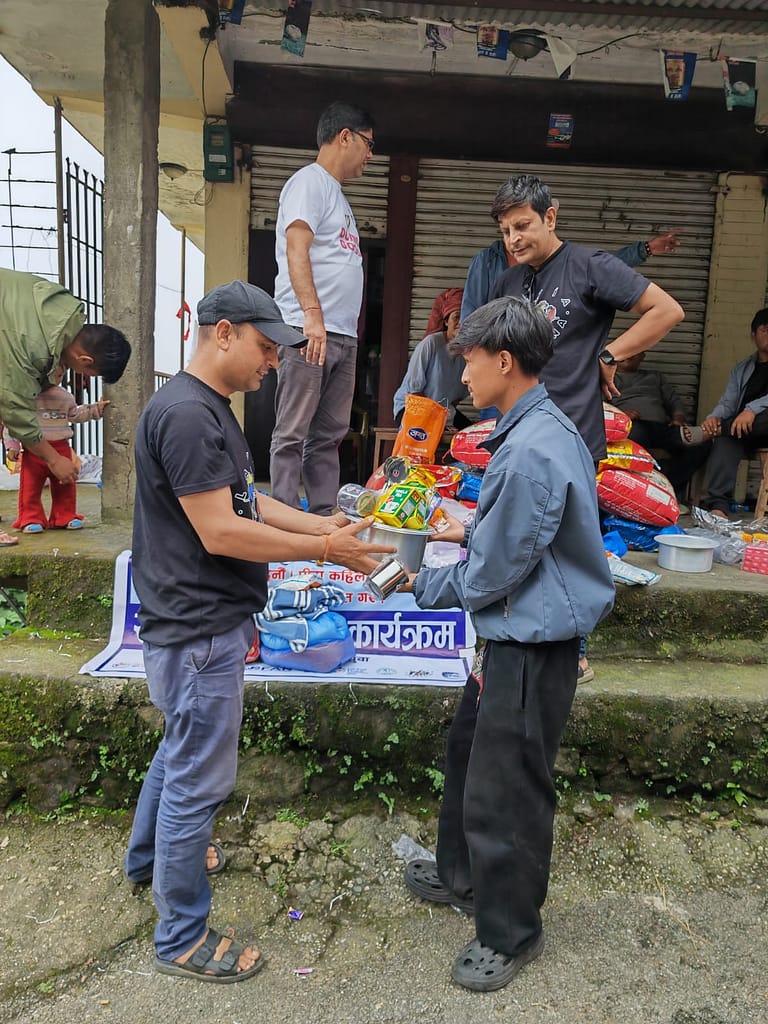
Relief materials have been distributed in Kalika Rural Municipality of Rasuwa and Support has also been extended to the families of the deceased and the missing, with priority given to single women and to children who have lost one or both parents.
Alongside relief, the Coordination teams are carrying out a needs assessment among affected peasant households. The losses recorded so far are of a kind that emergency relief cannot repair: cultivated land buried under boulders and sand, irrigation canals erased, livestock and stored seed swept away, and terraces that no longer exist on any map. The teams are documenting these losses with particular attention to tenant farmers, landless cultivators, unregistered tillers and women farmers. “We are not recording these losses so that someone will pity us,” said Pramesh Pokharel, Substitute ICC member of La Via Campesina South Asia, who was in the affected area with the teams. “We are recording them because they are a claim. Nepal’s share of the world’s greenhouse gas emissions is 0.027 per cent, and one hundredth of one per cent of all the carbon put into the atmosphere since 1751. Our peasants did not cause this, and they are not asking for charity. They are asking for reparation — grants, not loans.” Pokharel is also making the voice for Climate and Environment Justice, loud and calling for the international community for solidarity and pressure at UN. He is doing so right from the affected areas.
The disaster was not a natural calamity but a climate catastrophe. Nepal submitted a request to the Fund for Responding to Loss and Damage on 9 September.
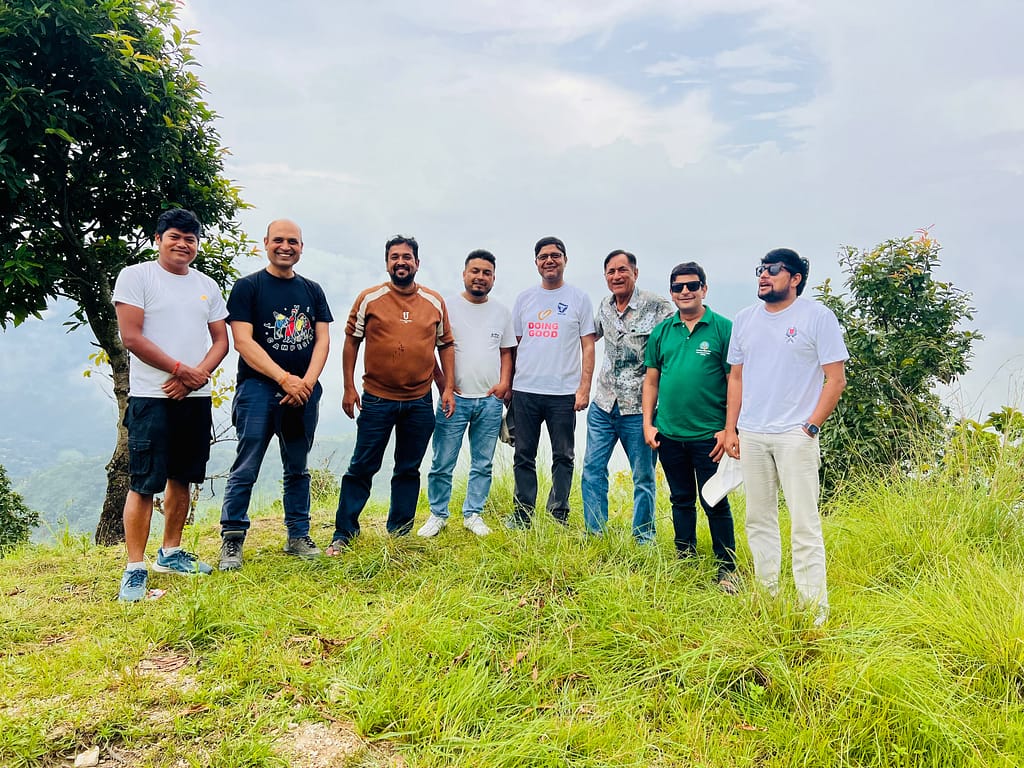
Pramesh Pokharel and youth leader Surendra Kandel took part in the relief and assessment work along with many other comrades from member and allied organizations such as World March of Women National Coordinating Body Nepal, Youth Advocacy Nepal and Many others. Observation, monitoring and relief will continue in the coming weeks, and the findings of the peasant needs assessment will be help to provide constructive feedback for reconstruction.
La Via Campesina Nepal Coordination calls on movements and organisations worldwide to raise this demand in their own countries: recognition of the loss and damage suffered by Nepal’s peasants as reparation owed, delivered as grants and reaching those who work the land.
Globalise the struggle, globalise hope.