
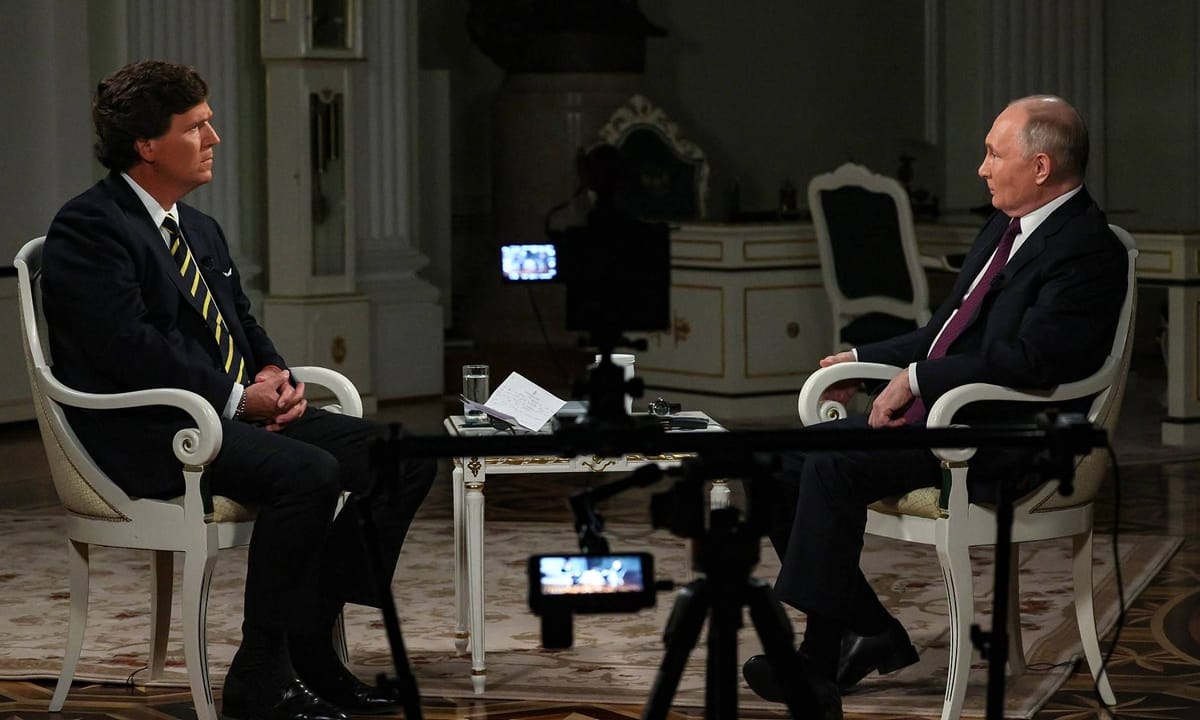
The recent exclusive interview between American broadcaster Tucker Carlson and Russian President Vladimir Putin has sparked varied reactions, particularly in Western mainstream media. Expectations were skeptical, with doubts surrounding Carlson’s ability to challenge Putin effectively given his polarizing style. However, what unfolded was undeniably captivating.
Critics, including journalists and politicians, were quick to label the interview as soft and criticized Carlson for allegedly providing Putin a propaganda platform. Despite this, ordinary viewers approached the two-hour discussion with an open mind, appreciating the opportunity to hear Putin’s perspective directly, free from the typical media soundbites.
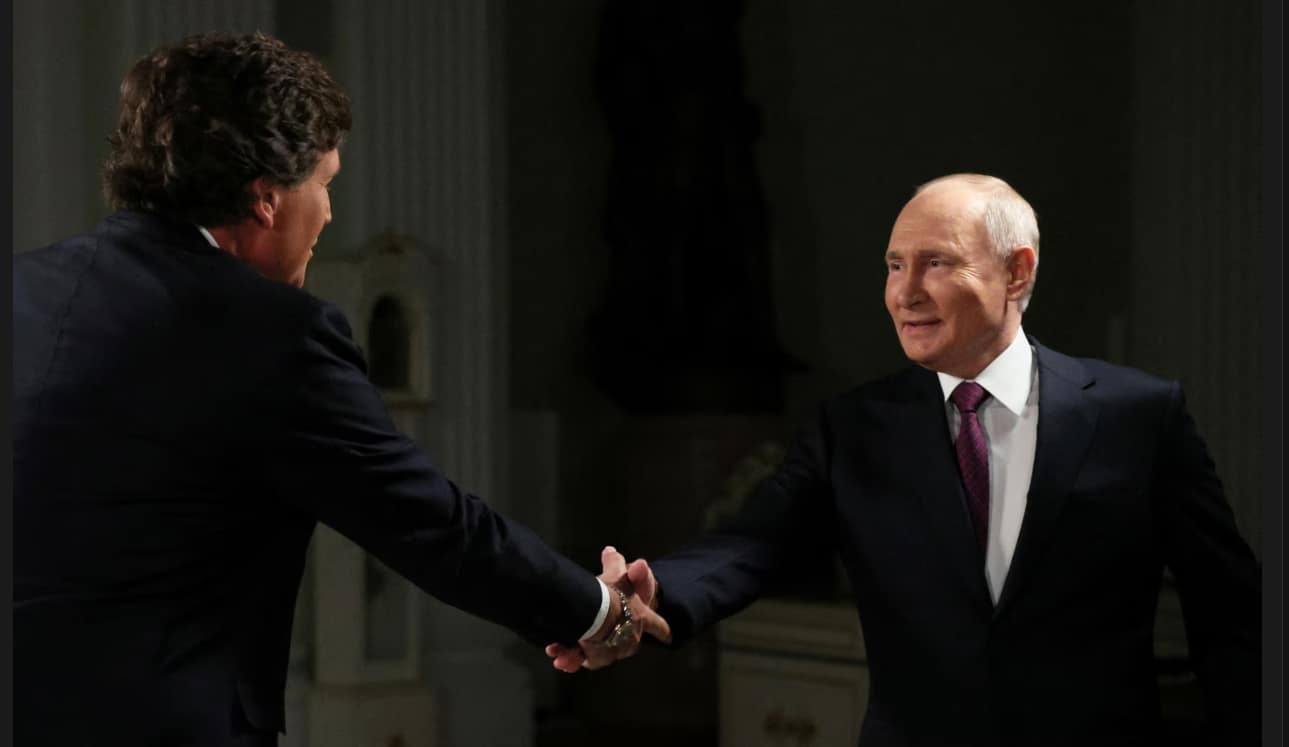
Putin’s decision to engage with Carlson likely stemmed from a distrust of other Western journalists whom he believed might distort his words. The interview, while potentially different if conducted by another journalist, offered Western audiences a chance to hear unfiltered dialogue and form their own opinions.
Some may argue that Carlson could have asked tougher questions, but credit is due for extracting valuable insights from Putin. Importantly, the interview shed light on Russia’s perspective on the Ukraine conflict, providing crucial context for understanding the ongoing tensions.
Putin reiterated Russia’s readiness for dialogue and highlighted NATO’s broken promises regarding eastward expansion and Ukraine’s neutrality. He even disclosed Russia’s past willingness to consider NATO membership for peaceful coexistence, only to face rejection.
The interview challenged the prevailing narrative portrayed by mainstream Western media, allowing viewers to assess Putin’s words firsthand. While questions remain about the interview’s circumstances and Carlson’s impartiality, the fundamental principle of engaging in dialogue remains crucial.
Despite immediate criticisms from pundits, the true impact of the interview may lie in the public’s long-term judgment and its potential to shape historical perspectives. Ultimately, it underscores the importance of allowing individuals to form their own opinions beyond media interpretations.