

By Pramesh Pokharel
In Nepal, the new constitution of 2015, specifically article 51 (i) concerning state policies, mentions the implementation of scientific land reforms that prioritize the interests of peasants by eliminating dual ownership of land. However, in practice, numerous land-related issues persist due to the continued influence of the Lands Act of 1964 – brought in as a distraction to quell the rising peasant movement against feudalism and autocracy. The reforms intended through the 1964 Land Act were only partially implemented, as many landlords have left their land idle or leased it out under informal agreements to avoid its identification for redistribution programs to landless households. Consequently, absence of a comprehensive land reform program has left an estimated 1.3 million Nepali households landless today. In the hills and mountains, a significant portion of fertile land lies barren due to absentee ownership and inadequate land management.
Amidst this situation, various misleading solutions and false reforms have emerged, including the proposal to establish Land Banks. This idea isn’t new: in the late 1990s, influenced by the Badal Commission report and supported by the World Bank, the government introduced a ‘market-led’ land reform program as a false solution. Several national and international NGOs that work closely with the World Bank have promoted these ideas. It also failed to address fundamental land issues such as tenancy rights for unregistered tenants, land above the ceiling, and land fragmentation. This program faced stiff resistance from peasant and landless communities, who alleged that it only benefited large landowners displaced by conflict rather than the poor and landless.
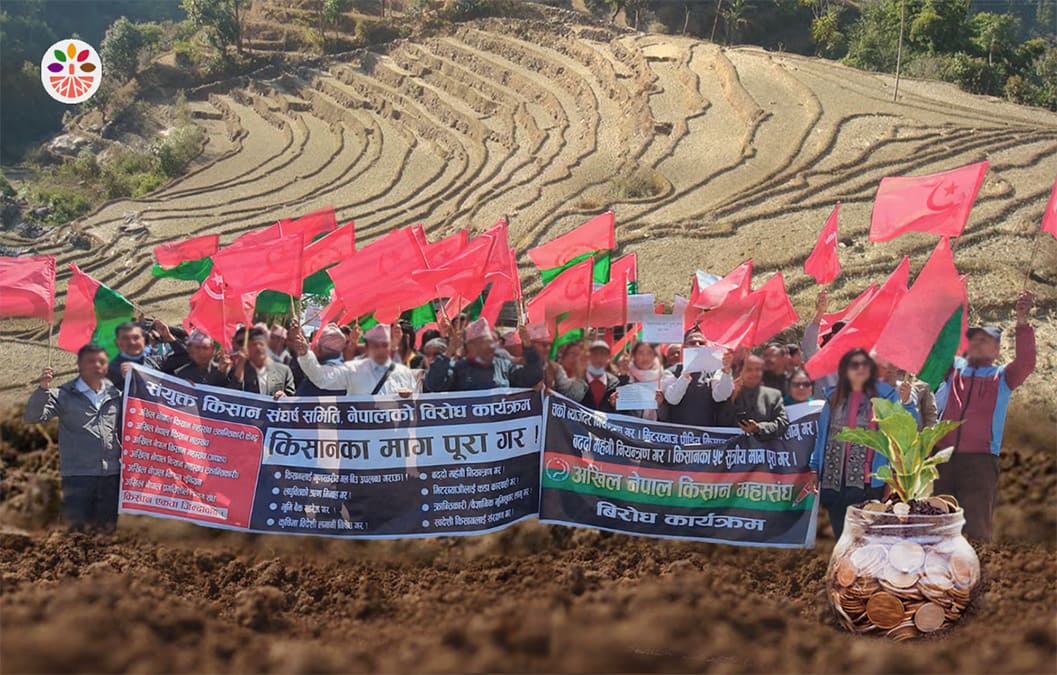
Peasant and indigenous communities in Nepal view land not as a commercial commodity but as a means of production tied to identity, culture, heritage, and sovereignty. The World Bank’s concept of a Land Bank treats land as a commodity, contradicting the interests of peasants, indigenous peoples, and small-scale food producers. The Land Bank concept aims to divide large plots of land into small parcels, reinforcing land fragmentation and commodification, rather than fostering social change and ending feudal land ownership.
The Land Bank program is a land ownership model that integrates land into a financial (Banking) system, allowing individuals to save, lease, and sell land, similar to taking out loans. However, this approach has raised concerns that it may prioritize the interests of large landholders over those of small-scale farmers and rural communities. Despite criticism, the proposal gained momentum when it was reintroduced as part of a package of reforms.
Proponents claim that this approach will help address issues such as absentee land ownership, provide opportunities for land leasing, and reduce the amount of unused land. However, critics argue that these benefits may be superficial and that the true intention is to advance a particular economic agenda that prioritizes profit over social and environmental concerns. Small-scale farmers who rely on leasing land for their livelihoods are particularly concerned that this approach could lead to increased land prices, making it even more difficult for them to access the resources they need to survive.
At ANPFA, we have repeatedly said that these programs could divert agricultural land for non-agricultural use, posing a grave threat to Nepal’s agricultural self-sufficiency and food sovereignty. The ‘land bank’ does not enhance tenure security, improve land access, or provide economic benefits for the landless. Instead, it may deepen poverty, injustice, and marginalization by structurally promoting the concentration of land tenure among wealthy landowners and corporations.
What Nepal truly needs is comprehensive land reform that manages land based on land use policies and ensures proper utilization. This should be non-discriminatory, recognizing the inherent dignity and equal rights of all individuals, including ensuring equal rights for women. Effective land reform requires clear policies on land use, mapping, digitalization, and administration, tied to broader political, economic, and socio-cultural transformation. This involves treating land, water, seeds, and knowledge as commons that belong to all humanity, supporting a solidarity economy that prioritizes a life with dignity for all above the interests of a privileged few. It also includes fostering social relations free from patriarchal, racist, or class oppression, combating poverty, destitution, and forced migration, and democratizing political decisions.
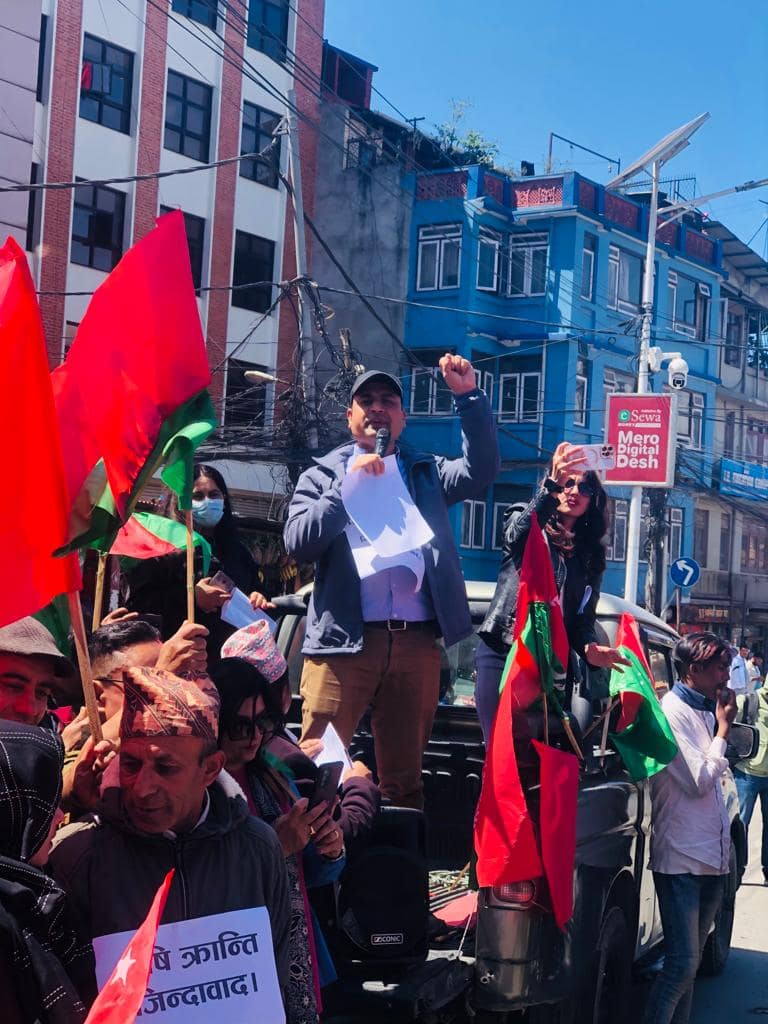
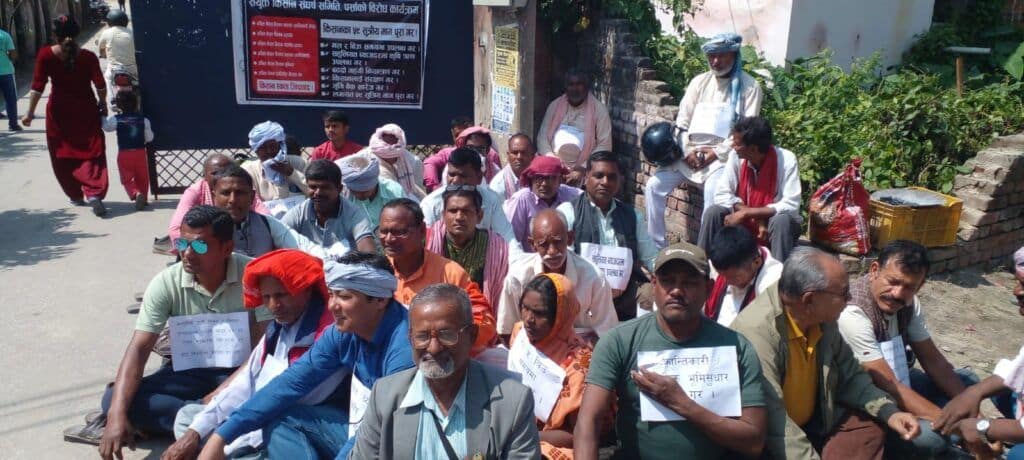
Given the declining agricultural population, decreasing productivity, and shrinking agricultural contributions to GDP and national income, comprehensive land reform, including agricultural reform, is essential. Political parties in Nepal agree on the necessity of scientific land reform to end feudal remnants, increase agricultural production and productivity, establish rights over productive resources for farmers, end landlessness, prevent land fragmentation, and address tenant farmer issues. However, Land Banks are not the solution to these challenges.
Currently, instead of discussing false solutions, the immediate priority should be for the government to focus on implementing the right to food sovereignty law, which has already been facilitated by new regulations, and to move towards implementing the Land Use Act. Land reform is essential to transform the relations of production, creating a conducive environment for producing communities. It represents the initial step towards establishing a self-reliant economy in the face of financial capitalism’s dominance.
Source : Collected from ROOTS (roots-iapc.org)