
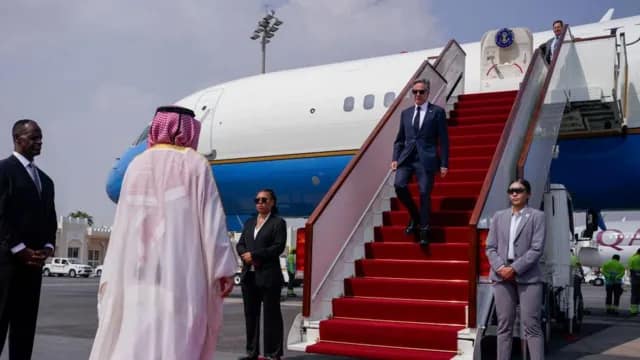
Doha—Qatar has formally paused its role as a mediator in ceasefire and hostage release negotiations between Israel and Hamas, citing a lack of genuine commitment from both parties to resolve the conflict. While the Qatari government has often played a critical role in facilitating indirect communication between Israel and Hamas, its recent decision reflects frustration over stalled talks and heightened political tensions.
Qatar announced that it would consider resuming its mediating role only when both sides demonstrate a “willingness and seriousness” to negotiate. The move aligns with Washington’s growing skepticism about Hamas’ presence in Doha. Senior U.S. officials reportedly urged Qatar to reconsider its support for hosting Hamas, alleging the group’s unwillingness to negotiate in good faith. Despite initial reports suggesting Qatar might entirely abandon its mediation role, a Qatari foreign ministry statement clarified that it had informed the parties 10 days ago of a potential suspension if progress wasn’t made.
Hamas, which has maintained a political base in Qatar since 2012, is facing increasing pressure amid the shift in diplomatic posture. Although reports indicated that Qatar might close Hamas’ political office, Doha’s foreign ministry called these claims “inaccurate,” reiterating that the office serves as a communication channel that has facilitated past ceasefires. However, the political atmosphere in Qatar appears to be cooling toward Hamas, as evidenced by recent, low-key memorials for leaders killed in the conflict—contrasting sharply with the high-profile events of the past.
The mediation freeze follows an October round of talks in Cairo, where Hamas rejected a short-term ceasefire proposal. With escalating violence in Gaza resulting in more than 43,000 Palestinian casualties, including a significant number of women and children, UN officials and international observers have called the humanitarian crisis “apocalyptic,” and U.S. leaders have warned of policy repercussions if the situation does not improve.
Hamas’ future in Doha remains uncertain, especially with pressure from U.S. officials who seem intent on forcing a peace settlement before the end of President Biden’s term. Should Hamas be forced to relocate, potential new bases include Turkey, which has expressed interest in playing a larger diplomatic role. However, security concerns following recent assassinations of Hamas leaders could complicate their relocation.
With negotiations frozen, Qatar’s role as a mediator remains uncertain. The Gulf state, a key ally of the U.S. and a host to its largest regional military base, has historically bridged gaps between opposing parties. Yet, as the humanitarian crisis deepens and U.S.-Israel relations grow strained, Qatar’s next steps could signal a major shift in the geopolitical landscape of the Middle East.