

 In a groundbreaking development that has sent shockwaves through the global tech industry, DeepSeek, a Chinese AI company, has unveiled its R1 model, an artificial intelligence system that rivals the capabilities of leading models from OpenAI, Anthropic, and Meta. What sets R1 apart is not just its performance but the radically lower cost and resource efficiency with which it was developed. This achievement has sparked a broader conversation about the future of AI development, accessibility, and the sustainability of the tech industry.
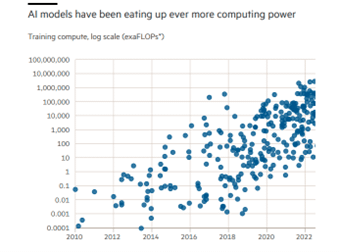
Unlike its American counterparts, DeepSeek did not rely on the latest, most expensive GPU chips or exorbitant training budgets. Instead, the company utilized older, slower Nvidia chips—those permitted for export to China under U.S. sanctions—to create a model that performs on par with the best in the world. This approach has demonstrated that cutting-edge AI development does not necessarily require the massive financial and computational resources that have become the norm in the industry.
Perhaps most significantly, DeepSeek has made R1 an open-source model, releasing its coding and training methods to the public. This move stands in stark contrast to the proprietary, profit-driven models of companies like OpenAI and Google, which guard their AI technologies as closely held secrets. By democratizing access to advanced AI, DeepSeek has challenged the notion that only the wealthiest corporations can lead in this field. The implications are profound: smaller companies, researchers, and even individuals can now harness the power of AI without being beholden to tech giants.
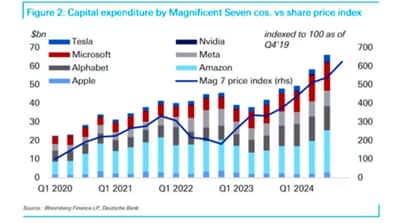
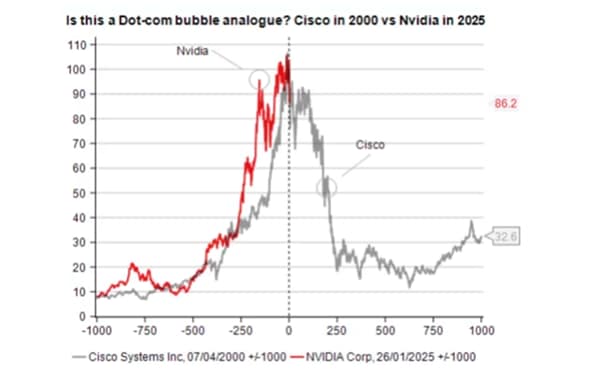
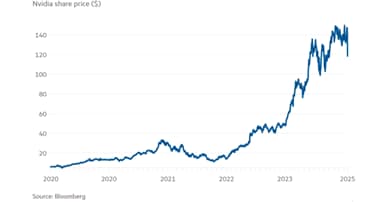
The ripple effects of DeepSeek’s breakthrough are already being felt. The stock market value of major U.S. tech companies, including Nvidia, Alphabet, Amazon, Microsoft, and Meta, collectively plummeted by nearly $750 billion in a single day. Investors are beginning to question the sustainability of the massive spending plans these companies have pursued, particularly in light of DeepSeek’s ability to deliver comparable results at a fraction of the cost.
This development also raises important questions about the environmental and social costs of AI development. The energy-intensive nature of training and operating AI models has come under increasing scrutiny. For instance, a single ChatGPT query consumes nearly 10 times the electricity of a Google search, and the water usage required to cool data centers is staggering. DeepSeek’s more resource-efficient approach offers a glimpse of a possible alternative—one that prioritizes accessibility and sustainability over profit maximization.
The rise of DeepSeek also underscores the growing technological prowess of China, which has continued to make significant advances despite U.S. sanctions and export controls. Companies like Huawei are emerging as serious competitors in the AI and semiconductor sectors, collaborating with firms like DeepSeek to adapt models for domestic use. This progress highlights the effectiveness of state-led investment in technology and innovation, challenging the dominance of private tech giants in the West.
As the global AI race intensifies, the focus on achieving artificial general intelligence (AGI)—a system capable of surpassing human intelligence—has raised ethical and existential concerns. Critics argue that the pursuit of AGI, driven by profit motives, risks exacerbating inequality, displacing workers, and even posing existential threats to humanity. In contrast, DeepSeek’s open-source model represents a more inclusive vision of AI development, one that prioritizes collective benefit over corporate gain.
The story of DeepSeek is not just about technological innovation; it is a reflection of broader shifts in the global economy and the balance of power. By demonstrating that advanced AI can be developed affordably and sustainably, DeepSeek has challenged the hegemony of the U.S. tech industry and offered a new model for the future. As the world grapples with the implications of AI, the question remains: will this technology be used to empower humanity, or will it further entrench the dominance of a few? The answer may well determine the course of the 21st century.
In the meantime, DeepSeek’s R1 stands as a testament to the potential of collaborative, open-source innovation—a reminder that the future of technology need not be shaped solely by the interests of the wealthy and powerful. As one commentator aptly put it, “I want AI to do my laundry and dishes so that I can do art and writing, not for AI to do my art and writing so that I can do my laundry and dishes.” In this vision, AI becomes a tool for liberation, freeing humanity to focus on creativity and collective progress.
The road ahead is uncertain, but one thing is clear: the era of AI monopolies is being challenged, and the possibilities for a more equitable and sustainable future are within reach.