
Kathmandu, Nepal – A wave of protests has swept across Nepal following the government’s controversial dismissal of Kulman Ghising from his position as Managing Director of the Nepal Electricity Authority (NEA). Ghising, widely hailed for ending the nation’s chronic power outages, has become a symbol of effective public service, making his removal a lightning rod for public outrage.
Ghising’s tenure, which began in 2016, is celebrated for its transformative impact on Nepal’s energy sector. He inherited a nation plagued by up to 18 hours of daily load-shedding. Within two months, he eradicated these power cuts, bringing uninterrupted electricity to homes and industries. Under his leadership, the NEA transitioned from a loss-making entity, burdened by an annual deficit of Rs 8.89 billion, to a profitable institution, boasting a cumulative profit of Rs 47.41 billion. Furthermore, electricity leakage was drastically reduced from 25.78% to 12.73%, and national electrification coverage surged from 58% to 99%.
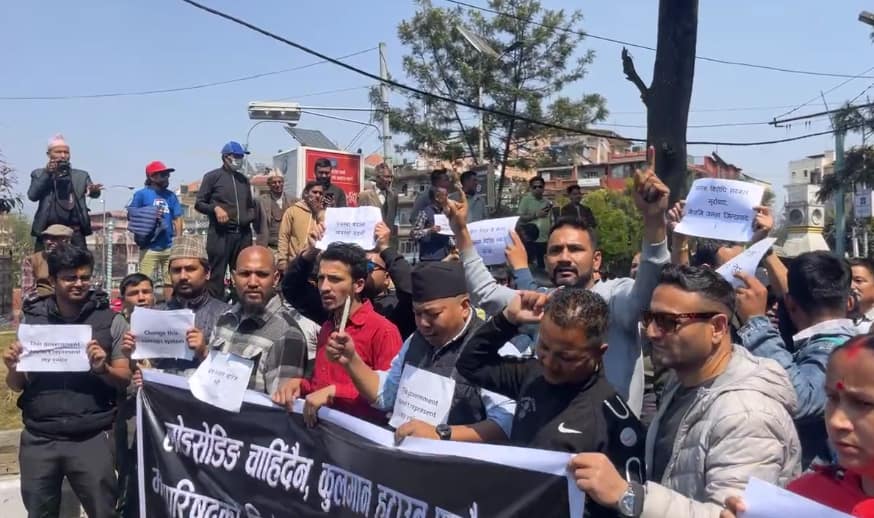
The abrupt dismissal of such a successful leader has sparked vehement opposition, particularly from student organizations. The All Nepal National Free Students Union (ANNFSU) has led protests, burning effigies of Energy Minister Deepak Khadka and accusing the government of political motivation. “Kulman Ghising rescued Nepal from darkness and dismantled cartels that were draining the nation,” said Ashok Thapa, a student protestor. “His removal is a grave injustice.”
The timing and circumstances of Ghising’s dismissal have raised serious questions about the government’s motives. Despite achieving a remarkable work performance rating of 98.99% for the fiscal year 2023/24, the Ministry of Energy, Water Resources, and Irrigation repeatedly sought clarifications from Ghising, actions he deemed legally questionable. The subsequent appointment of Hitendra Dev Shakya, who has reported close ties to Prime Minister KP Sharma Oli, as Ghising’s successor, has fueled allegations of political interference overriding meritocracy.
According to online reports, the government stated that Ghising’s term was not extended due to existing laws and regulations regarding the NEA’s leadership. However, public opinion heavily contradicts this justification. Many see this as a political move, undermining the progress made under Ghising’s leadership.
“This dismissal is a setback for Nepal’s energy sector,” stated a prominent energy analyst, speaking on condition of anonymity. “It sends a message that competence and public service are secondary to political connections.”
The protests reflect a broader public yearning for governance that prioritizes competence and accountability. As Nepal navigates this critical juncture, the unfolding events are poised to have significant implications for public trust and the future of the nation’s energy policies. The public demands transparency and a reversal of what they perceive as a detrimental decision.