
As Gaza plunges deeper into one of the most harrowing humanitarian catastrophes in recent history, the crisis unfolding is not merely a natural consequence of war. It is calculated. Deliberate. Designed. Hunger has become a weapon more brutal than bombs—starving infants before they can crawl, silencing toddlers before they learn to speak, and burying generations before they have the chance to grow.
The entire population of Gaza, numbering over 2.3 million, is facing severe food insecurity. The United Nations has warned that the entire under-five population—more than 320,000 children—is at risk of acute malnutrition. Recent reports confirm that child deaths from hunger are already occurring in real time. A famine, in all but name, is here.
But this isn’t just about an absence of food. It’s about an intentional obliteration of the systems that allow people to live—the destruction of farmlands, water supplies, bakeries, aid routes, health infrastructure, and even the basic capacity to feed a child or bury them with dignity.
A Manufactured Starvation
Since the siege on Gaza intensified in October 2023, a total blockade has turned the Strip into a sealed-off death trap. Food trucks are turned away. Humanitarian convoys are bombed. Farmers are shot trying to access fields. As of August 2025, only 1.5% of cropland remains functional, compared to 11% before the escalation began. The UN has described the situation as a “textbook case of famine used as a method of war.”
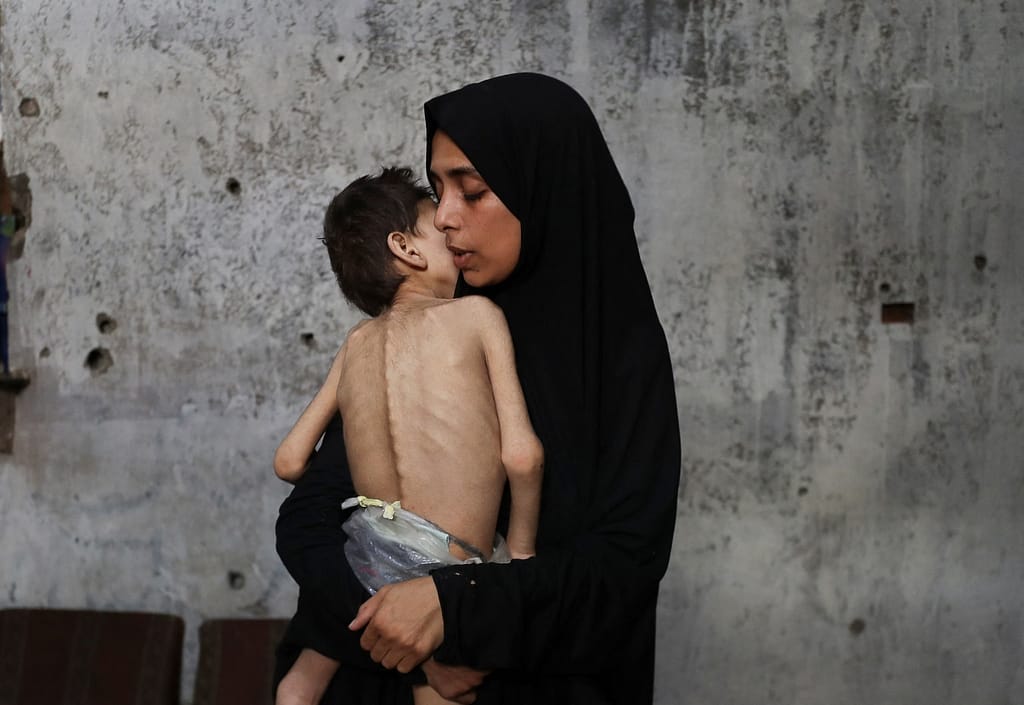
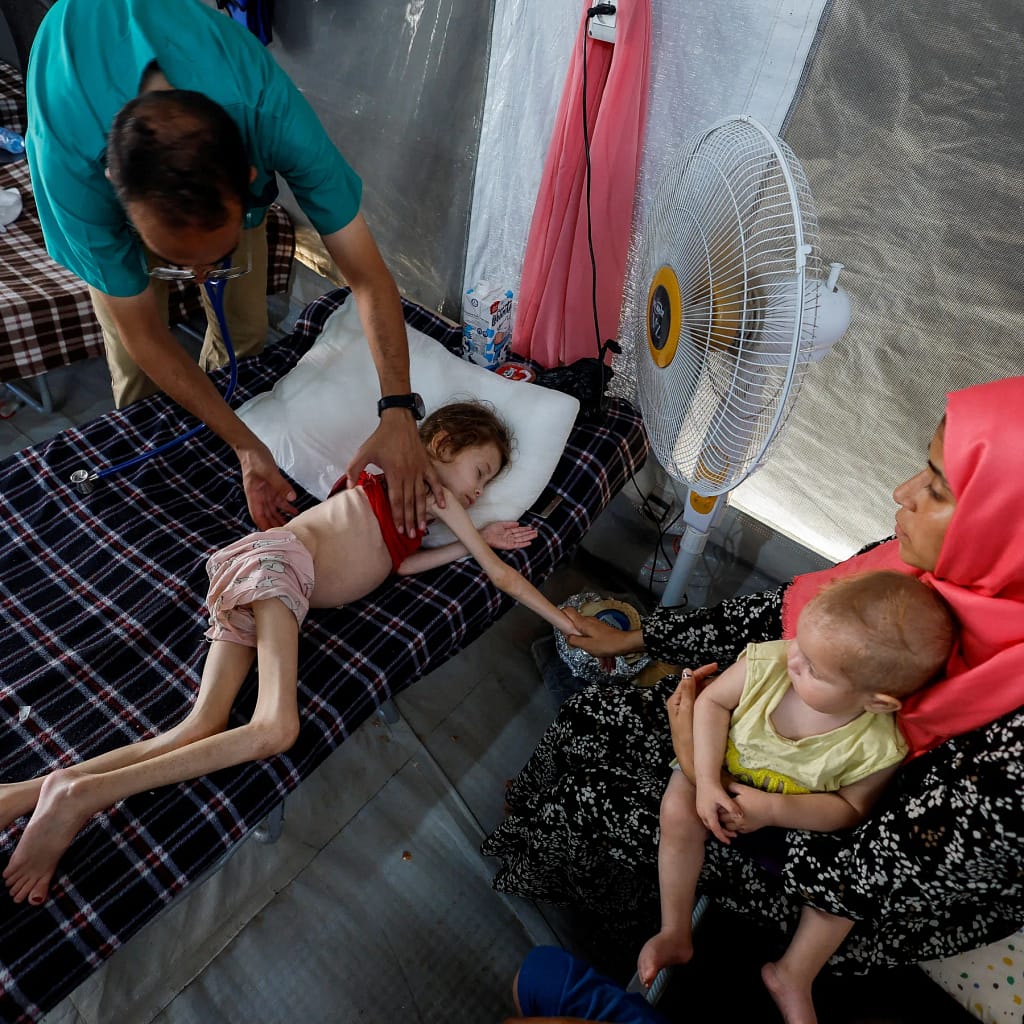
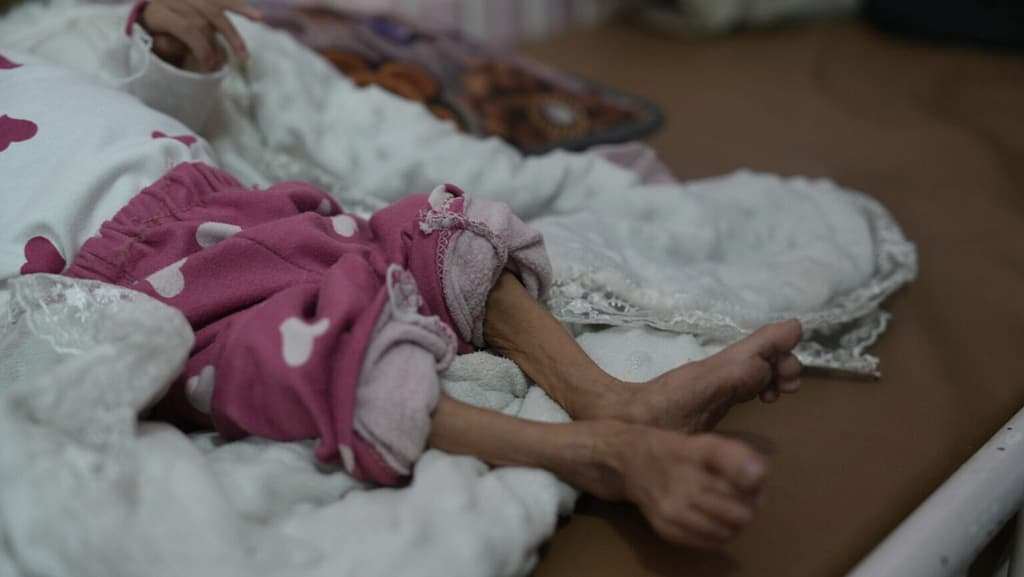
Reports from the ground are grim: infants resembling newborns despite being seven months old, children too weak to brush flies off their faces, and families surviving days without a single meal. The World Food Programme recently confirmed that the entire Gazan population is food insecure, with half on the brink of starvation. Aid workers describe a generation of children “wasting away in plain sight.”
In the words of one pediatrician, “It’s not just hunger. It’s the total collapse of the conditions necessary to raise a human being.”
The Silent War on Children
Perhaps the most haunting aspect of Gaza’s crisis is the intergenerational impact. This isn’t just about the children who are starving now—it is about the mothers who are too malnourished to breastfeed, the pregnant women giving birth to underweight babies, and the absence of formula or medical care to help these infants survive.
Malnutrition in early childhood causes irreversible stunting, cognitive delays, and permanent damage to organs. It is a kind of slow death that will play out across decades, affecting education, livelihoods, and even the ability of Gaza’s people to rebuild—should the siege ever end.
And this crisis begins before birth. Expectant mothers who themselves are starving give birth to babies who arrive already fighting for life. There is no milk. No food. No clean water. The child begins life in a famine—and if they survive, they face a society without schools, without hospitals, without safety.
Destruction of Health and Hope
The health system in Gaza is nearly nonexistent. Over 80% of hospitals have been bombed or shut down. Ambulances are routinely attacked. Doctors have been killed or kidnapped. The ability to treat even the simplest cases—such as diarrhea or pneumonia—has evaporated. What remains is not a health system, but ruins.
Yet without a functioning medical infrastructure, even feeding the starving becomes dangerous. Severely malnourished children cannot be fed normally—they require refeeding protocols that must be carefully monitored to avoid fatal complications. With hospitals destroyed, even this glimmer of hope becomes another point of failure.
Children who survive will carry invisible wounds: trauma, isolation, and developmental gaps. A seven-year-old girl in Rafah reportedly muttered, “I just want to sleep forever,” after losing her brother and mother. It is not just her body that is suffering, but her spirit. Gaza’s children are not just starving—they are being spiritually erased.
Hunger as a Systemic Weapon
The starvation in Gaza is not incidental. It is a mechanism of control and subjugation. From the destruction of cropland to the denial of humanitarian corridors, the blockade is a siege on life itself. Even food drops—when they do happen—are chaotic, sometimes deadly, with people crushed or shot while scrambling for flour.
This tactic has been used throughout history by empires seeking to crush resistance. What is happening in Gaza is a modern colonial violence—a war not just on a people, but on their reproduction, their childhoods, their futures. By denying the means of survival, those in power ensure the long-term domination of those under siege.
The current level of suffering will not vanish with a ceasefire. Even if food becomes available today, rebuilding will take years. Intergenerational hunger has already set in. A mother who gave birth under famine conditions today may see her child’s health and prospects permanently stunted by 2030.
A Global Silence—And a People’s Response
Despite mounting evidence of famine, global institutions remain largely passive. Condemnations are muted. Aid remains blocked. The same states fueling the war through arms and diplomacy now claim neutrality. But the silence of governments has not stopped the resistance of people—from aid workers and grassroots networks in Palestine to international health coalitions and solidarity campaigns across the globe.
The People’s Health Movement, among others, has called for a ceasefire and immediate humanitarian access, stressing that reconstruction is possible—but only if the assault stops.
The people of Gaza are not asking for charity. They are demanding the right to live with dignity, to feed their children, to grow food on their land, and to heal. No people should ever be forced to live—and die—in these conditions. No child should be born into famine as a birthright.
This is not just a humanitarian crisis. It is a political one. It is a war on life itself. The weaponization of hunger is not an accident—it is a strategy, deeply rooted in systems of domination that prioritize control over compassion, hegemony over humanity.
But history has shown that when people organize—across borders, across languages, across class lines—such systems can be confronted. And ultimately, they can be dismantled.
For the people of Gaza, and for all who believe in life, that work must begin now.