
In the global tech market, where billion-dollar corporations dominate and education is often locked behind high fees, three young Nepalis have quietly built a platform that is teaching millions to code—without shutting the door on those who can’t pay.
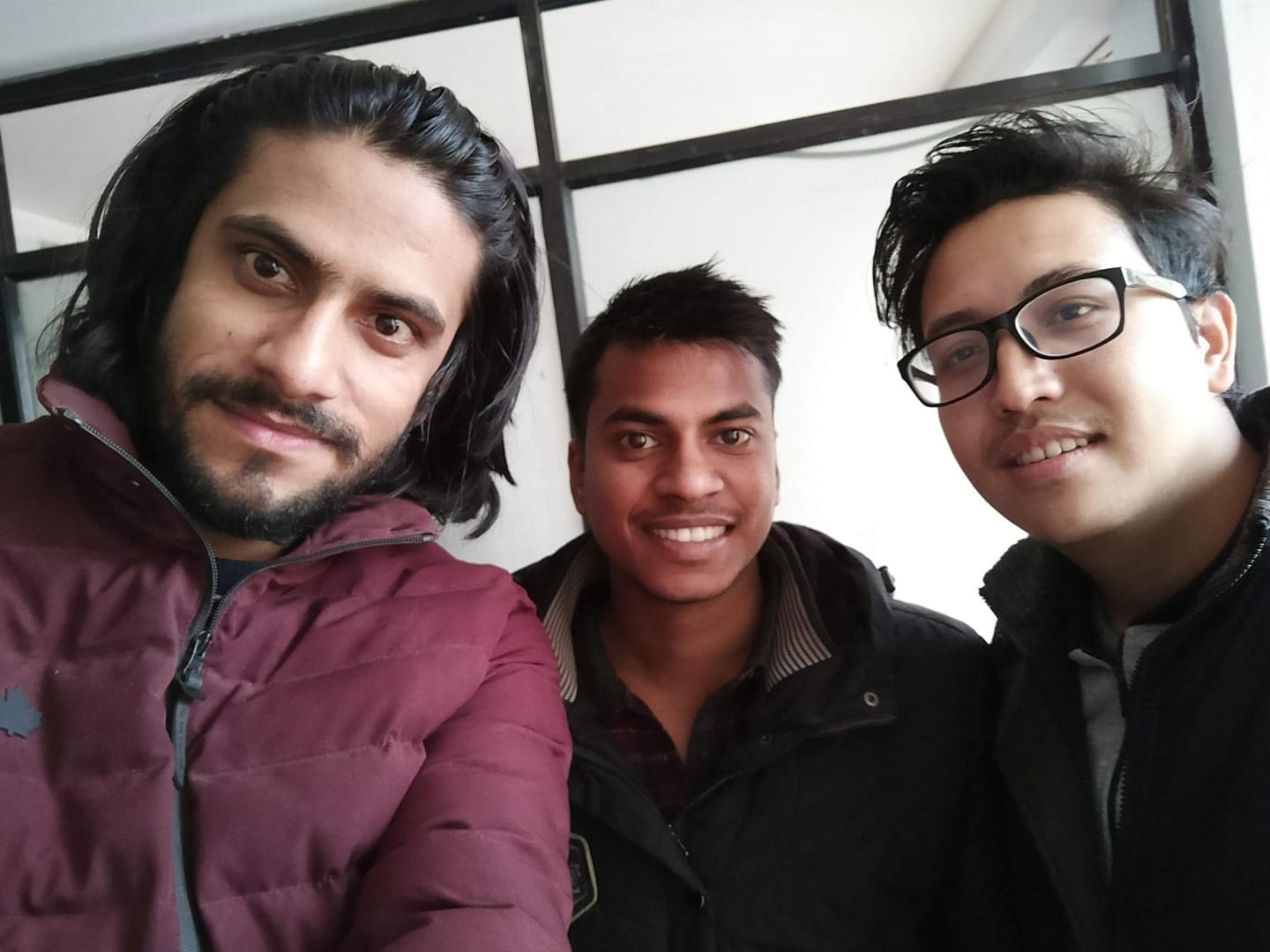
From a modest office in Jhamsikhel, Lalitpur, Programiz.com has grown into one of the most visited coding education websites in the world. Created by engineers Ranjit Bhatt, Ashwin Shrestha, and Punit Jajodia, the platform now serves more than 60 million active learners each year. And while users abroad pay subscription fees, Nepalis can access all its premium courses for free—a decision the founders call their commitment to “opening doors, not closing them.”
The journey wasn’t easy. Their early experiment, Adhuro.com, collapsed under the weight of too many projects at once. But instead of quitting, they stripped things back to their core skill—programming—and rebuilt. By 2015, the trio had folded Ranjit’s original tutorial site into their company, Parewa Labs, and committed to turning it into a professional, sustainable platform.
The turning point came during the COVID-19 pandemic, when traditional classrooms closed and education systems faltered. Programiz didn’t just survive—it expanded. They built an online code compiler so students could practice instantly from any device, launched a YouTube channel to connect more personally with learners, and saw their user base double. Messages began arriving from students worldwide: “I passed my engineering degree because of you.”
Today, Programiz Pro offers over 19 in-depth coding courses with interactive challenges, and its curriculum has been adopted by top universities like Purdue and the College of Marin in California. Meanwhile, its base in Nepal continues to grow, now employing 35 people and exploring AI-powered learning tools.
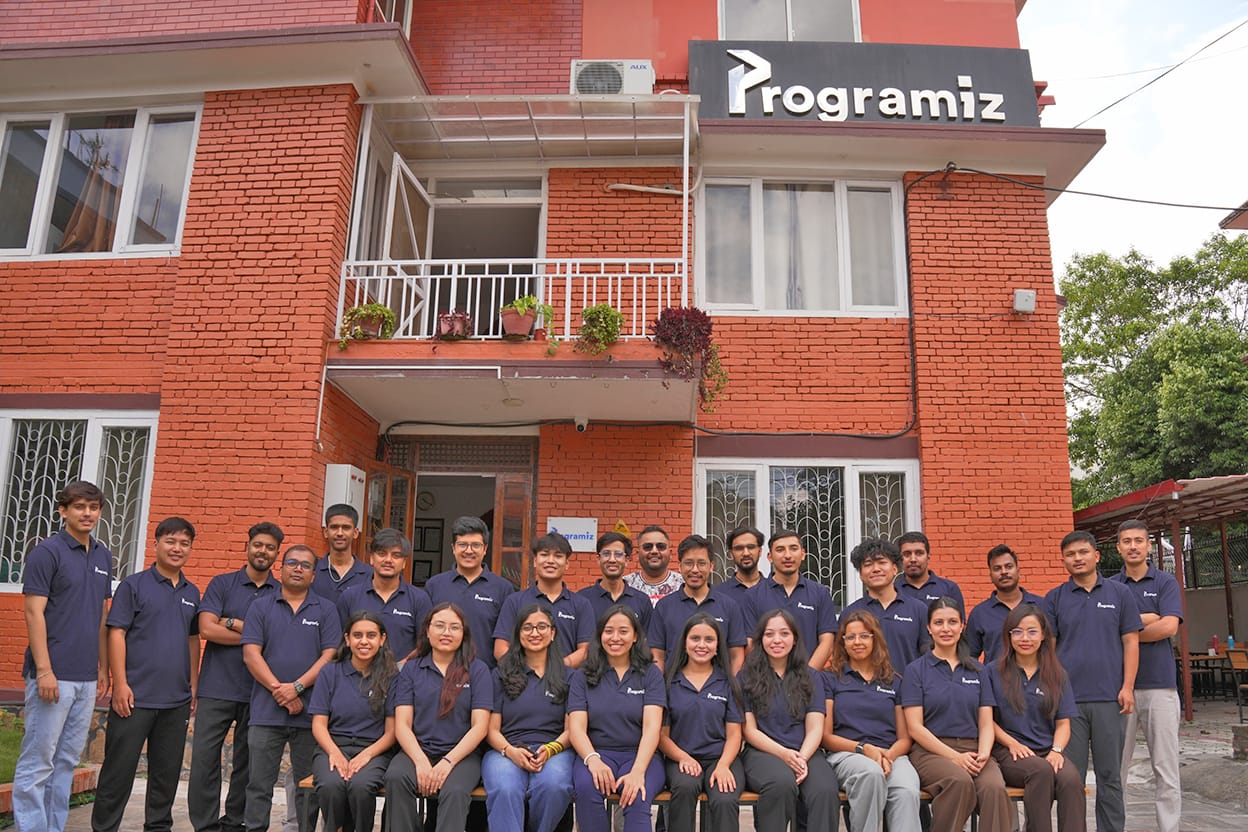
Despite their success, the founders say Nepal’s tech potential is still being held back by outdated policies and a lack of support for startups. “We can train 5,000–7,000 highly skilled professionals every year from here,” says CEO Punit Jajodia. “But we need a government that helps us run faster, not one that makes us stop to fill more forms.”
For now, the three continue to prove that world-class technology can be built in Nepal—not just for profit, but to make knowledge a public resource. In a tech industry built on competition, they are betting on something different: cooperation, accessibility, and the belief that no one should be priced out of learning.