
Louisiana’s Angola Prison: A Legacy of Oppression
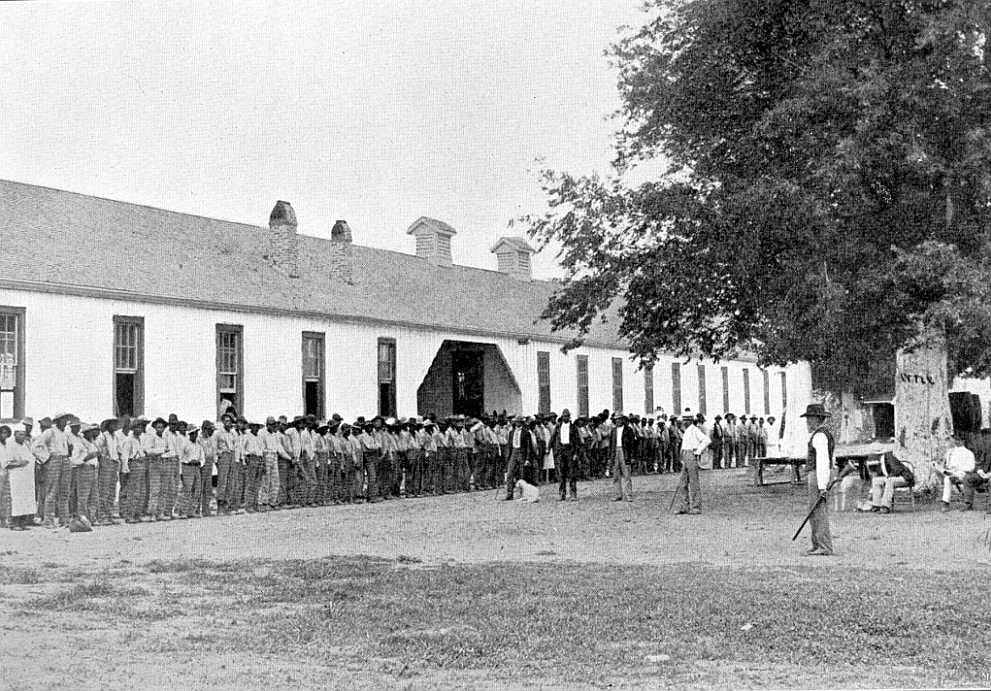
The Louisiana State Penitentiary, infamously known as Angola, stands as a stark reminder of the unbroken lineage of exploitation that stretches from the days of plantation slavery to the contemporary prison-industrial complex. Situated on the land of the former Angola Plantation, where enslaved African people were subjected to brutal forced labor, the prison continues to operate under conditions that many have likened to modern-day slavery. The disproportionately Black incarcerated population at Angola finds itself trapped in a system that echoes the same capitalist mechanisms of exploitation and racial subjugation that defined the plantation economy.
As communists in Nepal and across the Global South recognize, capitalism’s foundation rests upon the oppression of the working class and marginalized groups. The prison system in the United States is a grotesque extension of this exploitation—using mass incarceration as a tool to maintain racial and class hierarchies while enriching private corporations through free and underpaid prison labor. The struggle of Black prisoners at Angola mirrors the broader fight against the imperialist forces that subjugate workers worldwide, including in Nepal, where peasant and labor movements continue to resist capitalist land grabs and privatization schemes.
The Convict Leasing System: A Capitalist Reinvention of Slavery
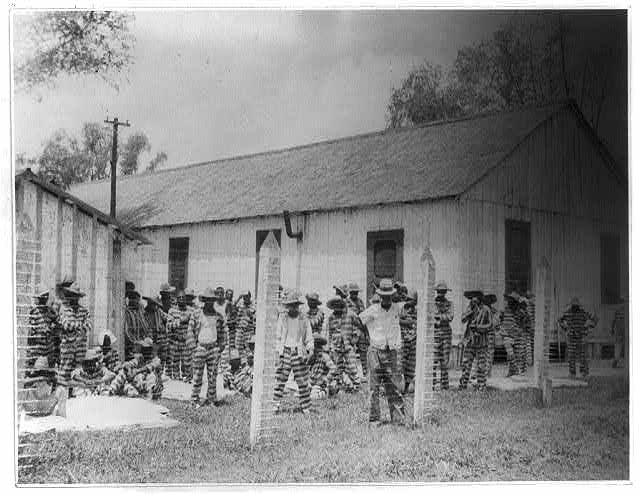
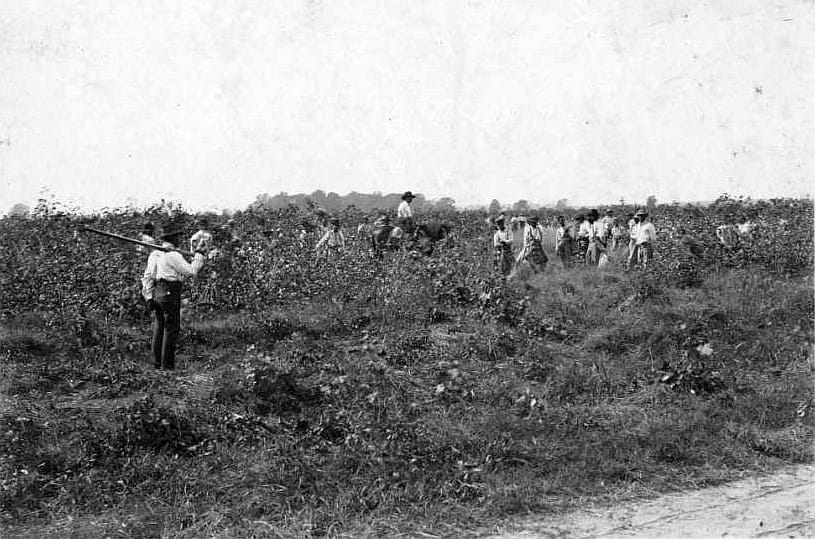
Following the abolition of formal slavery, the ruling elite found new ways to maintain the exploitation of Black labor. The convict leasing system that emerged after the Civil War criminalized Black people through draconian laws and leased them to corporations for backbreaking labor. By the late 19th century, states like Alabama derived the majority of their revenue from this system—an indication of how deeply intertwined capitalist profits were with the subjugation of African Americans. This economic model has not disappeared; it has merely evolved.
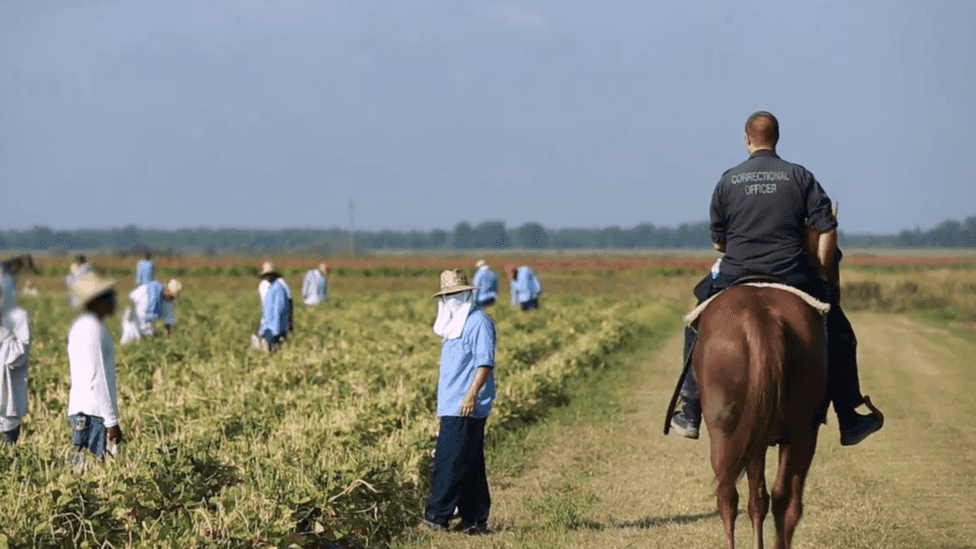
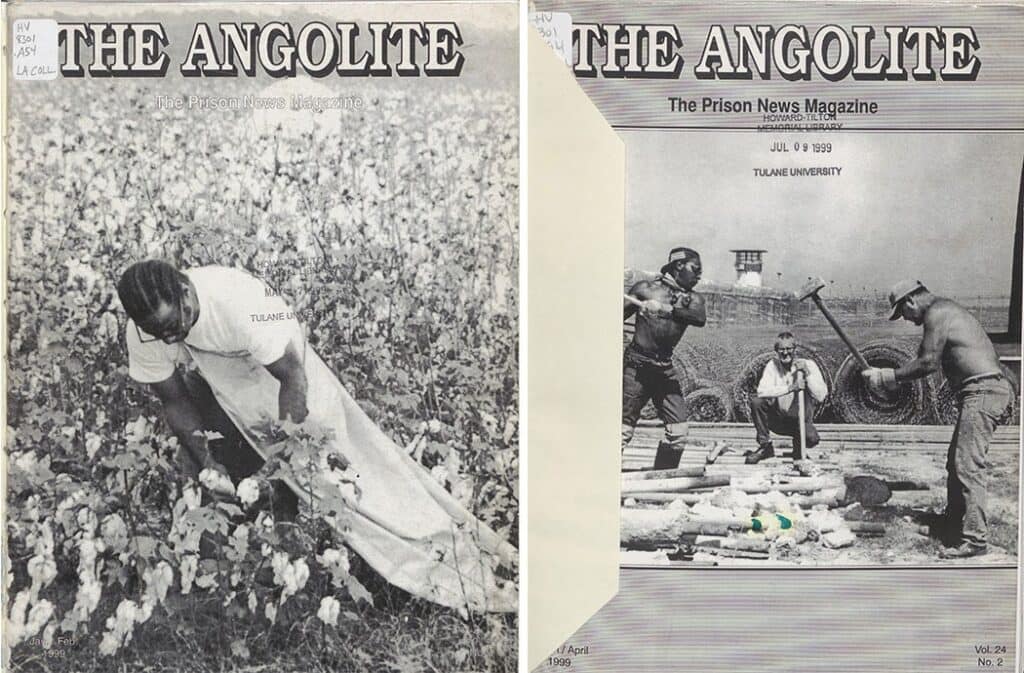
Today, Angola prisoners—many of them serving harsh sentences due to systemic racial injustices—are still forced to work in fields picking cotton under grueling conditions. The logic of profit-driven exploitation remains unchanged: the capitalist class benefits from the coercion of the working class, whether through exploitative prison labor in the U.S. or the suppression of workers’ rights in Nepal under neoliberal economic policies imposed by global financial institutions.
Resistance Behind Bars: Black Liberation and Prison Struggles
Despite the brutal conditions at Angola, prisoners have never remained passive victims. From the infamous “Heel String Gang” protests of 1951—where inmates mutilated themselves to escape forced labor—to the more recent class-action lawsuits challenging prison slavery, incarcerated workers have demonstrated remarkable resistance. The Angola 3, including Albert Woodfox and Herman Wallace, spent decades in solitary confinement for organizing against prison exploitation, forming a chapter of the Black Panther Party within prison walls.
The parallels between Black prisoners’ struggles in the U.S. and the broader fight for workers’ rights in Nepal cannot be ignored. In Nepal, communist and socialist movements have long fought against feudal landlords, exploitative corporations, and international imperialist forces that seek to strip workers and peasants of their rights. The oppression of Black prisoners in the U.S. and the exploitation of Nepali farmers under capitalist agribusiness stem from the same global system of economic and racial hierarchy.
The Fight Against Imperialism and Prison Slavery
Recent legal battles against forced prison labor, such as the September 2024 lawsuit by Angola prisoners, reflect a broader movement challenging the U.S. prison system’s role in perpetuating racial and economic injustice. Activists across the U.S. and internationally have rallied in solidarity with incarcerated workers, demanding an end to prison slavery and an overhaul of the exploitative justice system.
For Nepali leftists and communists, these struggles resonate deeply. The same imperialist powers that fuel the U.S. prison-industrial complex also dictate economic policies that exploit workers in the Global South. The fight against mass incarceration in the U.S. is, in essence, a fight against capitalism’s fundamental logic—a system that prioritizes profit over human dignity.
Solidarity Across Borders: A United Front Against Exploitation
The struggle of Angola’s prisoners is not just an American issue; it is part of the global fight against imperialism, capitalism, and systemic oppression. Just as Nepali farmers resist corporate land grabs and international financial institutions’ economic dictates, Black prisoners in Angola resist their exploitation within the U.S. carceral state. True liberation will only come through the dismantling of these oppressive systems, replaced with socialist policies that prioritize human dignity over profit.
It is imperative for leftist and progressive forces in Nepal and across the world to stand in solidarity with movements challenging racial and economic injustices, whether in the fields of Louisiana or the rural villages of Nepal. The fight for justice is interconnected, and victory will only be achieved through collective struggle against all forms of oppression.
Collected from :: Natalia Marques